Since the 1960s, Hirsch has been a vital presence in Buenos Aires' underground scene, challenging avant-garde orthodoxies with works that intertwine the political with the diary-like, the mythological with the performative. In curating this retrospective, Rinland initiates a dialogue between two generations of Argentine filmmakers, a dialogue that also extends to other figures in experimental audiovisual media who have influenced her practice, such as Chick Strand and Stan Brakhage. The result is a cinema as singular as it is collective: made by many hands and now extended to our own.
Cristóbal Escobar, programming advisor for FIDOCS 29
Come out
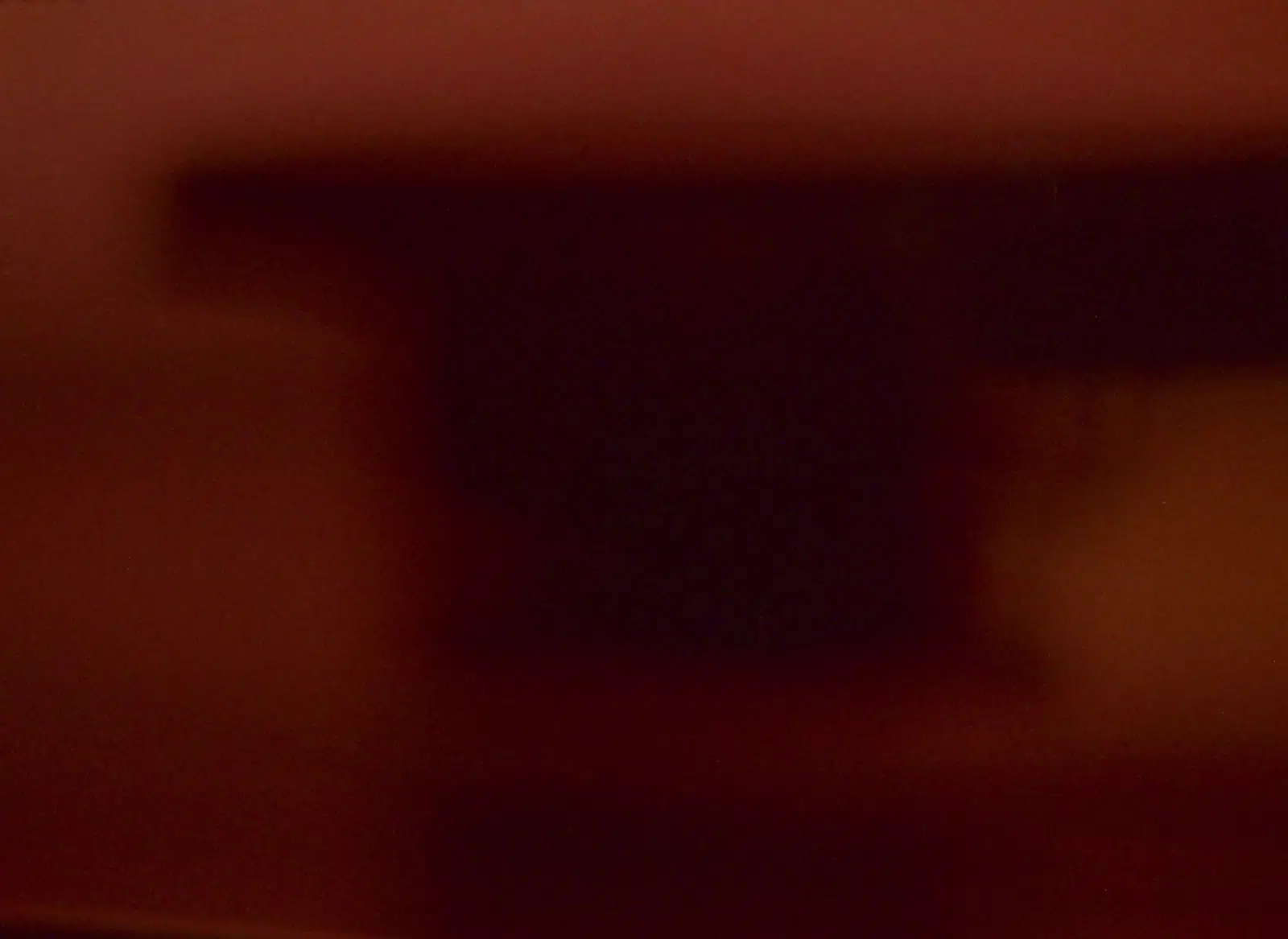
In Steve Reich's musical composition 'Come Out', the sound of a phrase is electronically de-synced. Meanwhile, a blurred image does the opposite; it slowly comes into focus.
Warnes
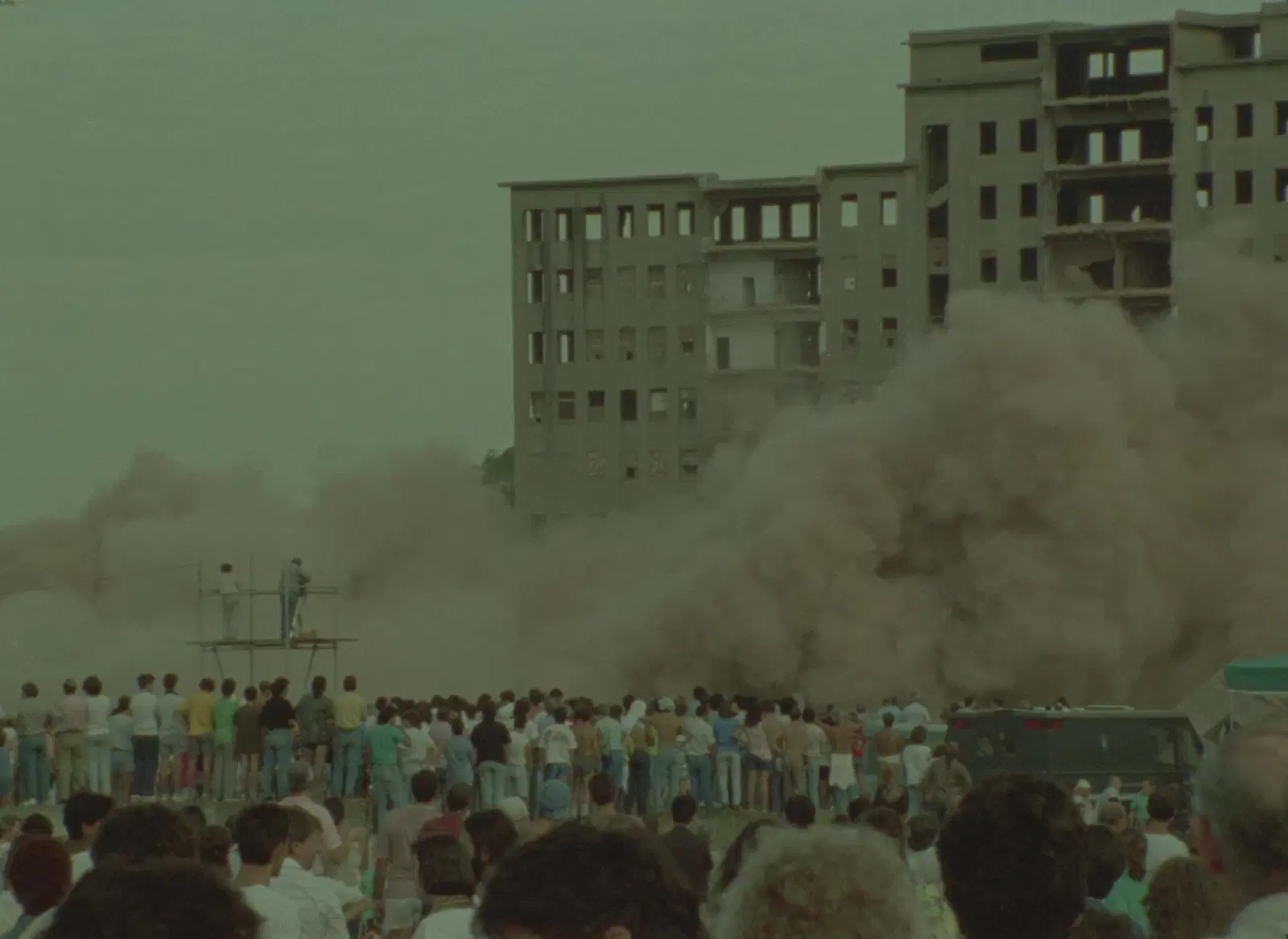
Documentary about the demolition of the Warnes Shelter, an emblematic group of buildings in the city of Buenos Aires, located in the La Paternal neighborhood, which existed between 1951 and 1991. On March 16, 1991, in front of 30,000 people, it was demolished via implosions.
Rafael in Rio
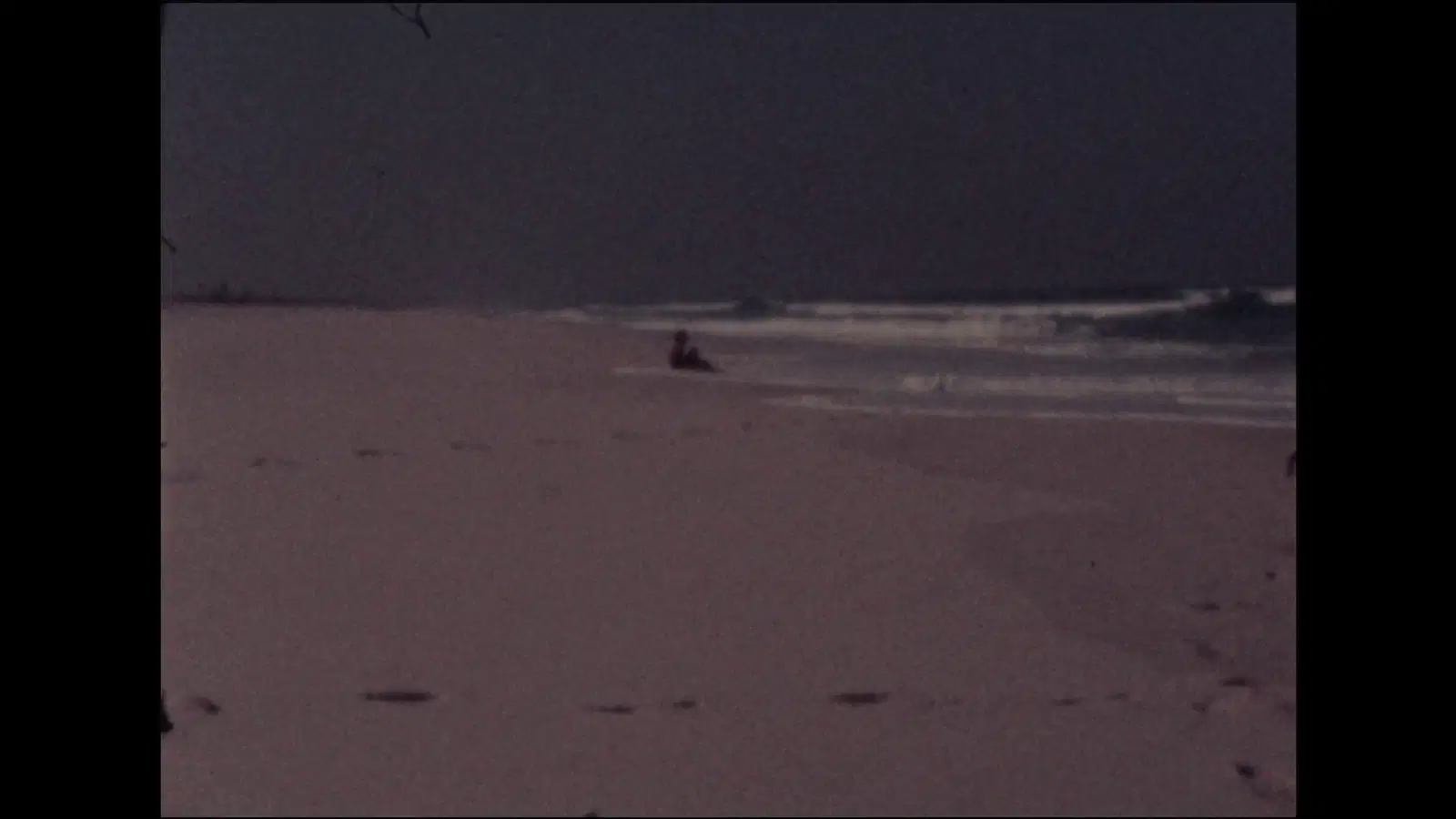
Film letter from Narcisa Hirsch to Rafael Maino. Rafael bathes on a beach in Rio de Janeiro while Narcisa films him and speaks to him.
Bach probably closed the door when he wanted to work.
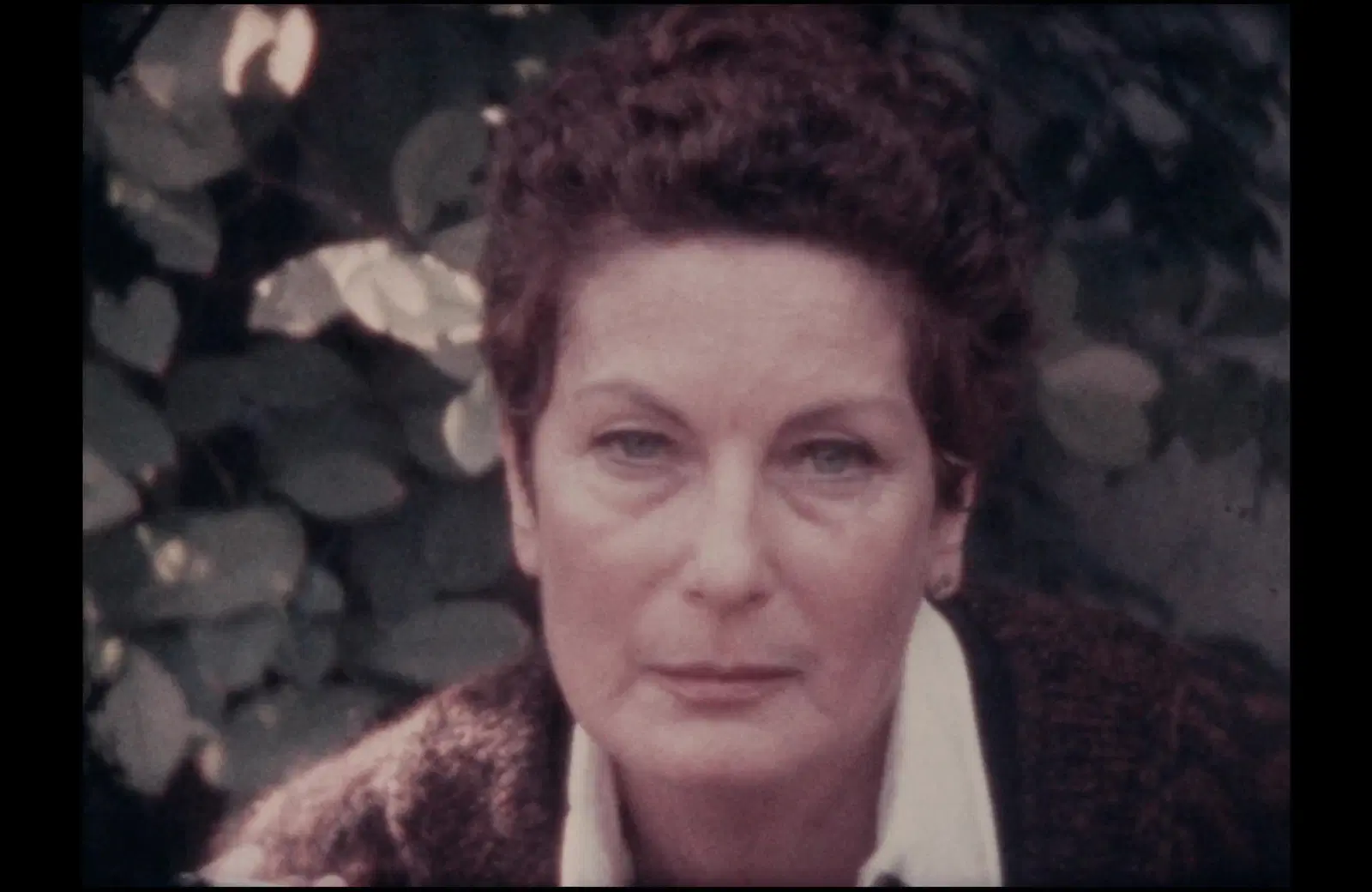
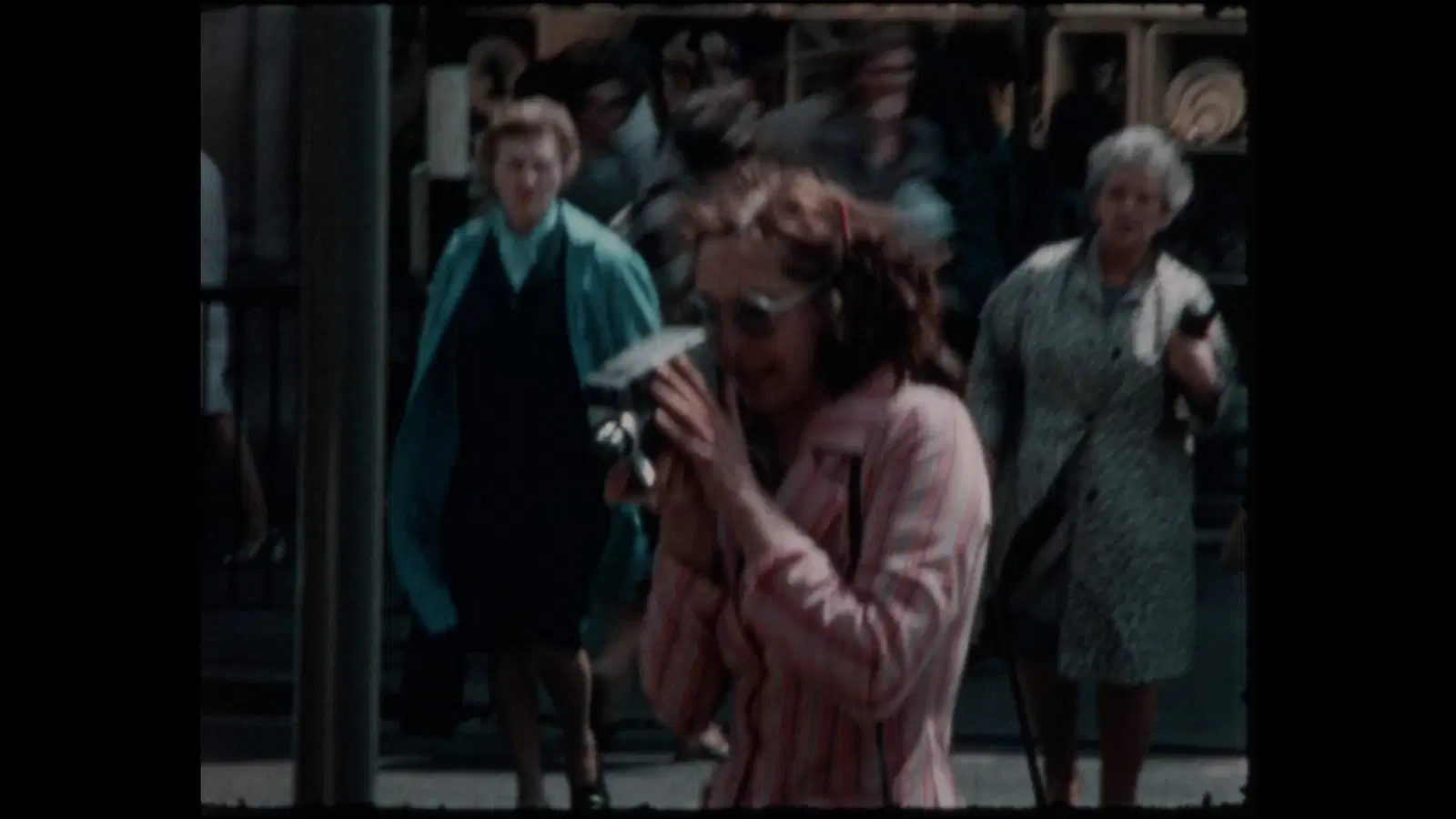
Narcisa made this film three times: in 1974, 1979, and 2005. This is her second attempt, in which she invites a group of female friends and films them head-on, in close-up, without sound. Some time later, she projects the Super 8 film onto their screens, and they have to talk to their own reflections.
Paddock
For an entire year, Narcisa left a camera on a tripod under the eaves of a stable where a rancher kept his cattle. During the summers and winters, Narcisa often spent time there, as she had a house next to the pasture. She instructed the ranch hand to operate the Super 8 camera during her absences. The film begins in winter and ends in the winter of the following year.
Workshop
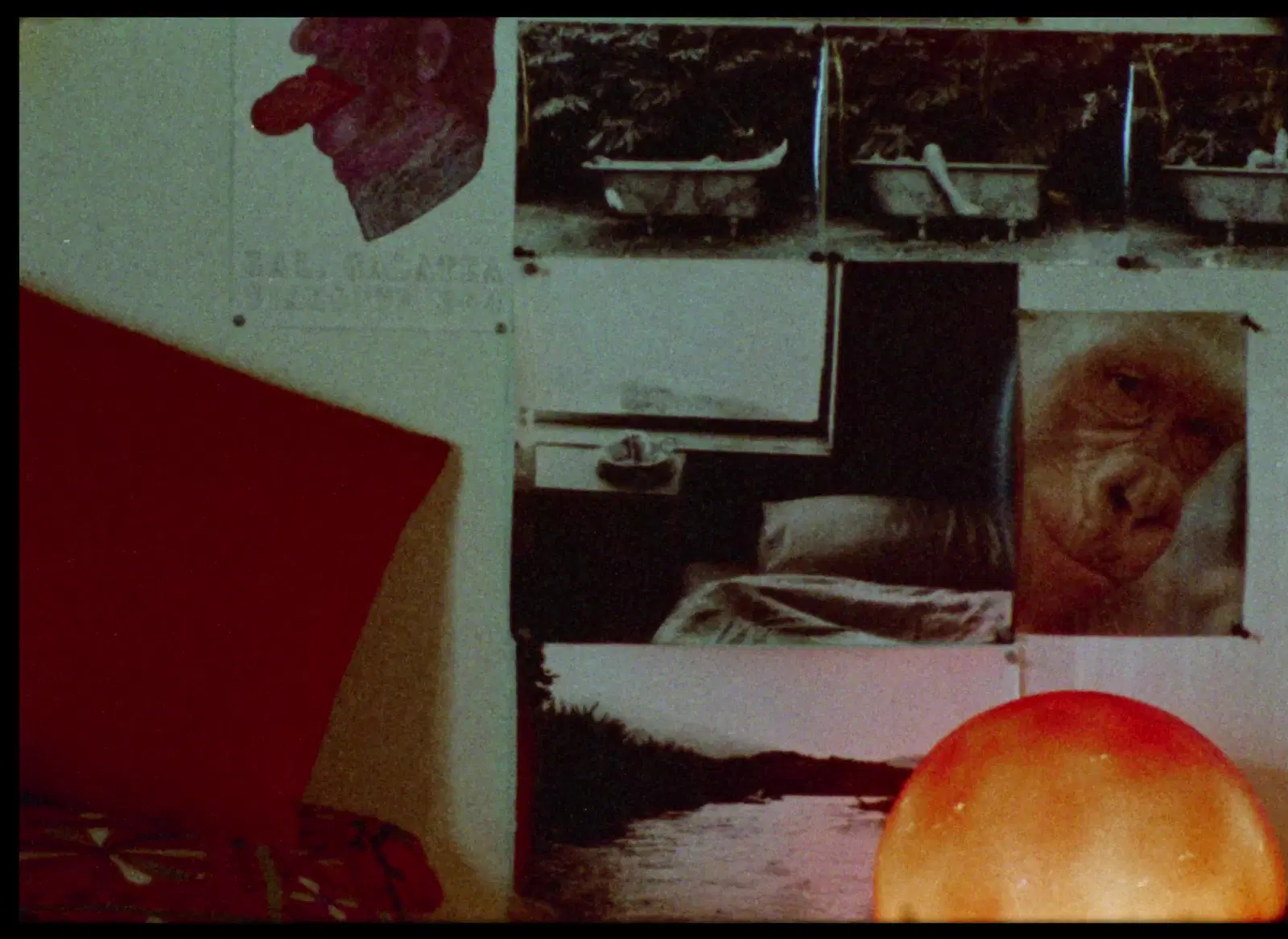
A still image hangs on the wall of Narcisa Hirsch's studio. Over tea, Narcisa describes to Horacio Maira what is visible on that wall. Then, she describes what is out of frame. The description—in voice-over—moves around the room, returning to the wall where the story began.
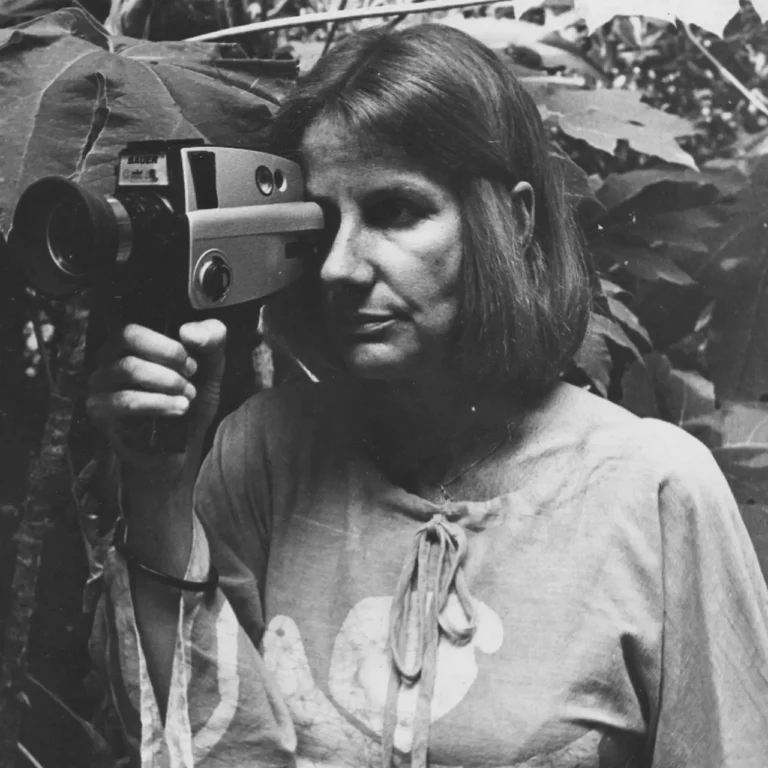
Narcisa Hirsch (1928–2024) was born in Berlin and settled in Buenos Aires in the 1930s. She was a multidisciplinary artist and a pioneer of Argentine and Latin American experimental cinema. She made feature films, short films, and documentaries that explored themes such as love, the body, death, movement, and femininity. Her films circulated in alternative spaces and are now preserved by the Narcisa Hirsch Film Archive. Her extensive body of work also includes installations, objects, performances, urban interventions, and graffiti.