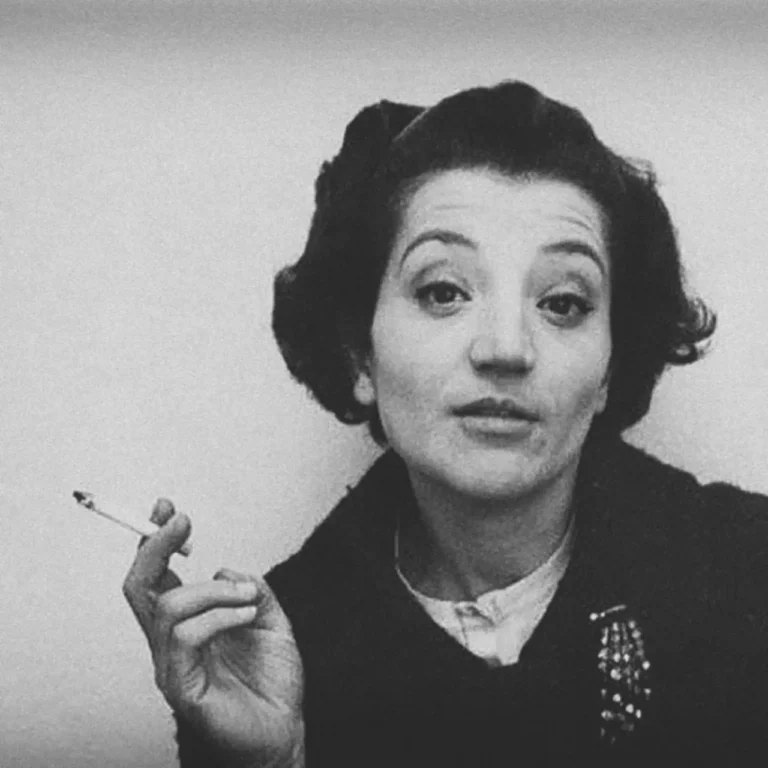
Cecilia Mangini filmed the daily lives of those whom others wanted to hide, those of whom there was no record. Her work possesses intrinsic value because it is situated in a territory steeped in class struggle. She was also a lucid figure, aware of the ways in which images can be manipulated.
Javiera Leal, FIDOCS 29 programmer
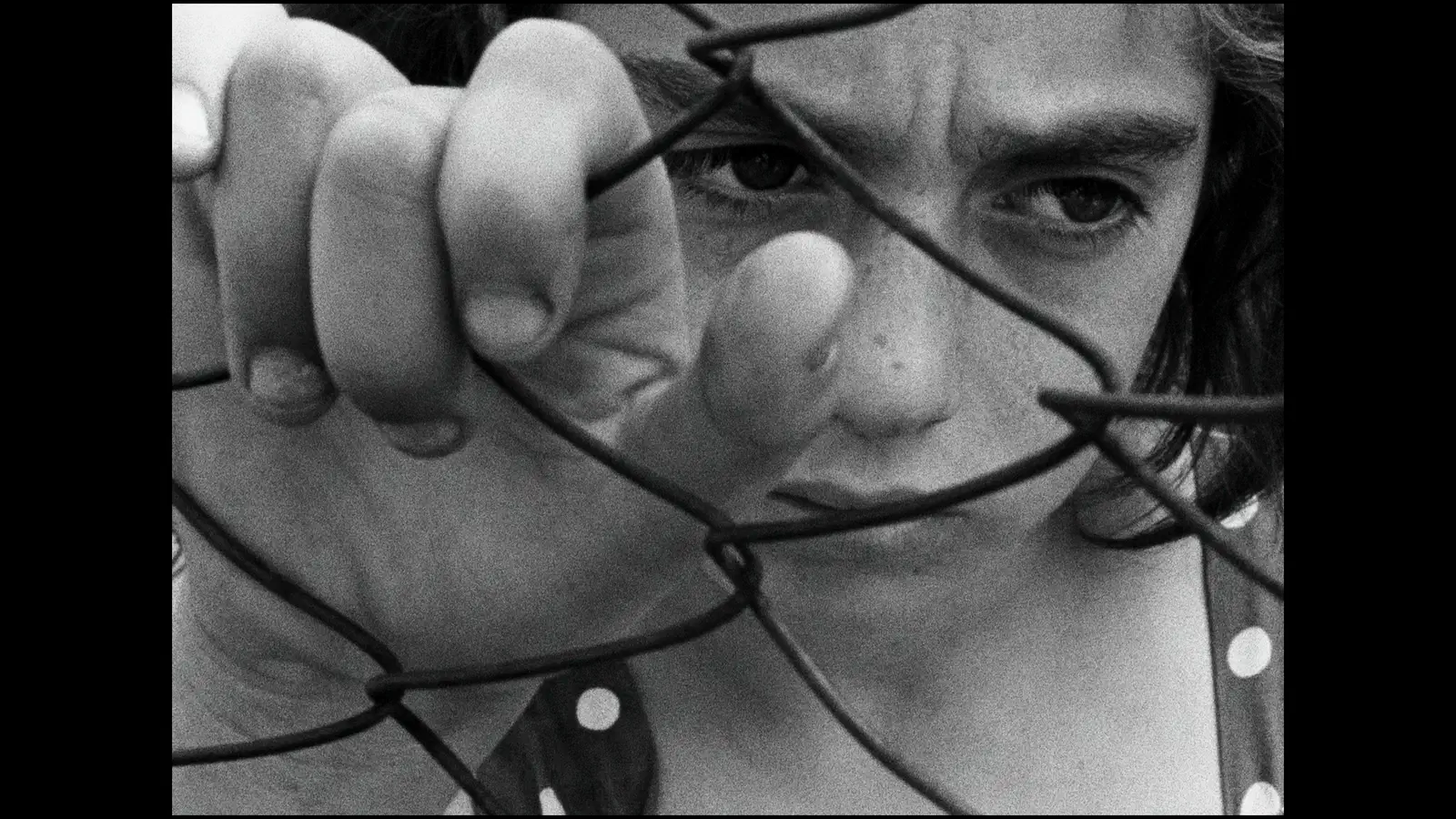
Essere donne
This documentary illustrates the condition of women in Italy, juxtaposing advertising images with real, everyday situations. The story unfolds through interviews with women from different regions, from a fruit picker to a highly skilled pharmaceutical worker. A work that anticipates feminism, it showcases women's contributions to politics and social justice.
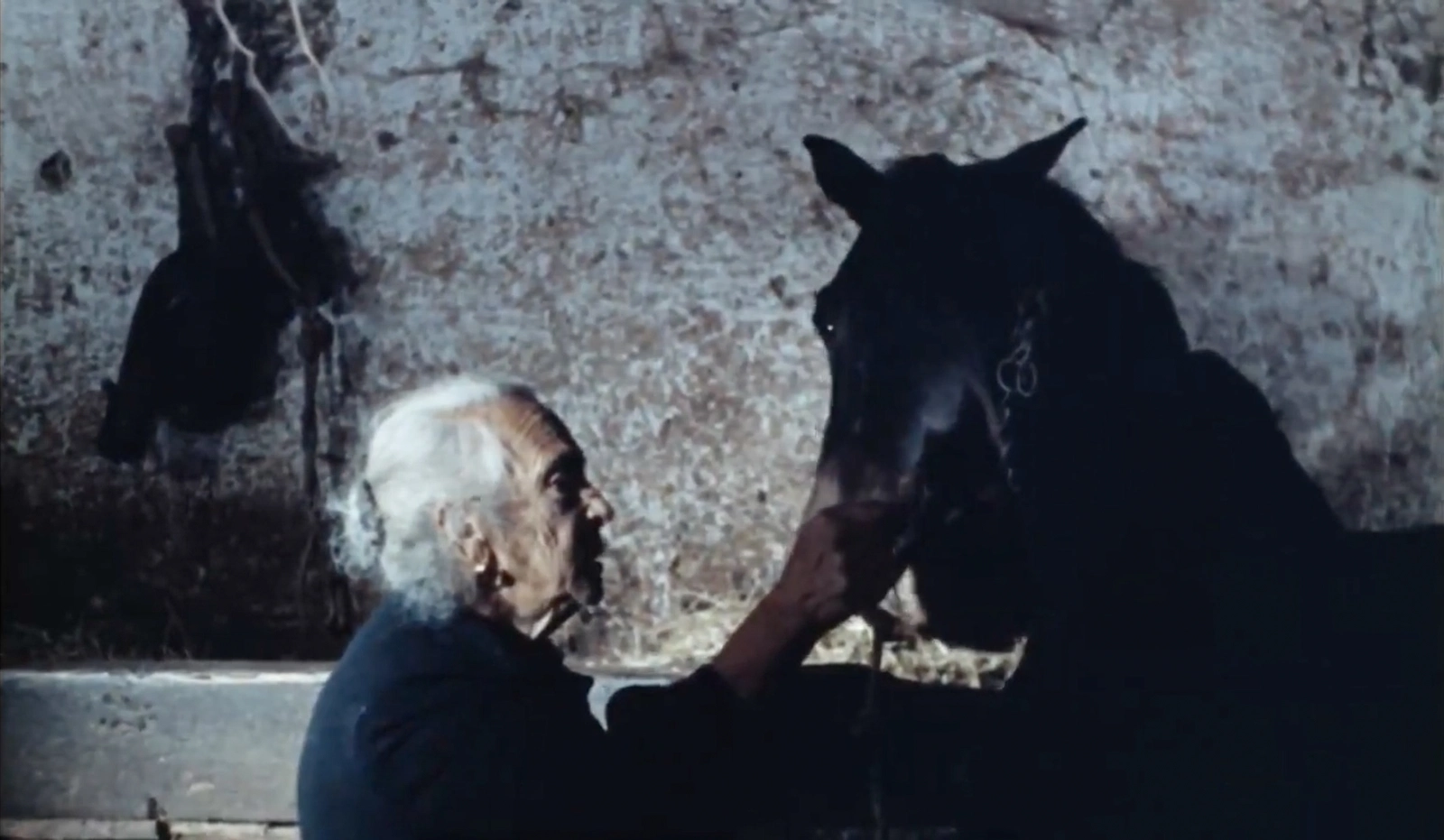
Maria ei giorni
A country house in Puglia and a large family: children, grandchildren, great-grandchildren. At the helm is Maria di Capriati, an energetic woman who manages the household and cares for the people, animals, and plants. Her advanced age and the thought of death don't faze her; daily life fills her days with its network of small but necessary obligations.
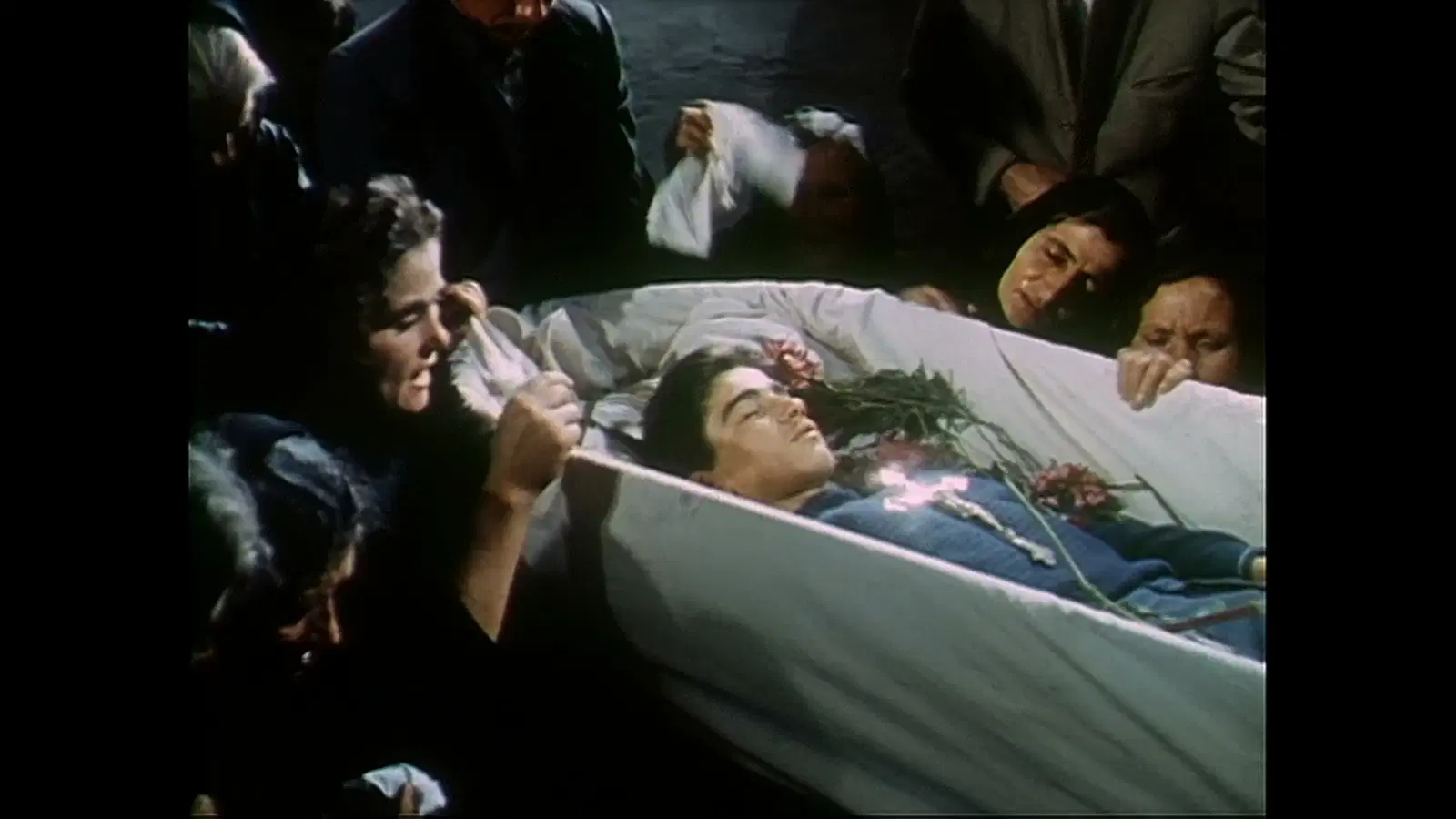
Stendalì (Suonano ancora)
In Apulia, Lucania, and Sardinia, the use of funeral laments still persists. People react to mourning according to an ancient custom, singing and dancing to a melodic rhythm, sometimes melancholic, sometimes agitated. The film places us in the midst of the mourners' ritual at a funeral in Salento, in southern Italy.
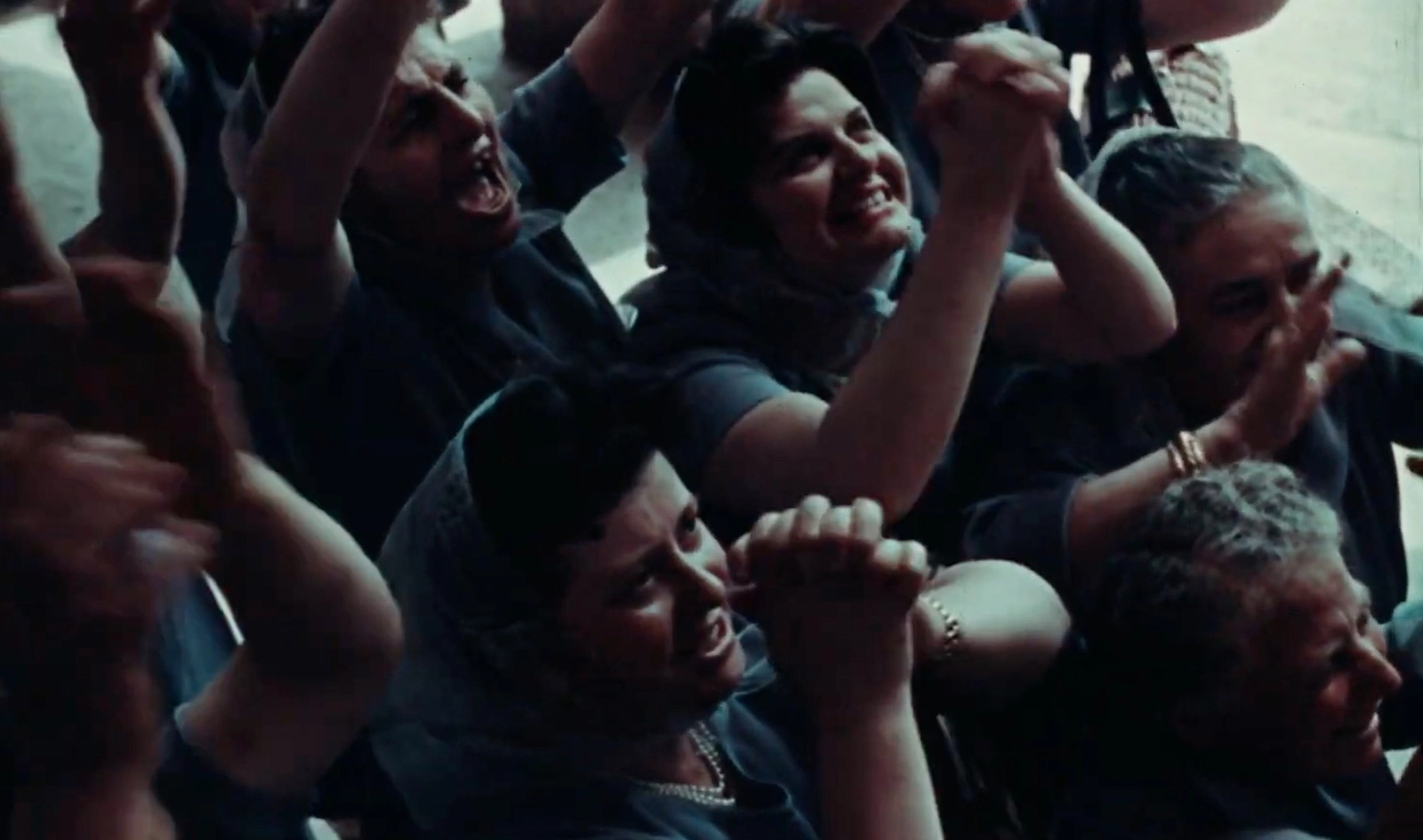
Divine Love
An anti-ethnological and anti-anthropological documentary about the nighttime pilgrimage of
The faithful of the Virgin of the Sanctuary of Divine Love, located on the outskirts of Rome. An archaic cult born in modern times, at the end of the Second World War.
Cecilia Mangini (1927, Mola di Bari – 2021, Rome, Italy) was a photographer and filmmaker. She was the first female documentary filmmaker in postwar Italian cinema. Her work is characterized by a deeply committed social and political perspective: she documented marginalization, labor, and industrialization. She grew up in Florence and lived in Rome from the early 1950s. There, she worked as an organizer for the Italian Federation of Film Clubs and met director Lino Del Fra, who became her life and work partner; together they made internationally acclaimed documentaries. She collaborated with Pier Paolo Pasolini, who wrote the texts accompanying the images of three of her early short films: 'Ignoti alla città' (1958), 'Stendalì (Suonano ancora)' (1960), and 'La canta delle marane' (1961). Because of her political views and personality, she faced censorship and the limitations placed on women in a male-dominated world.