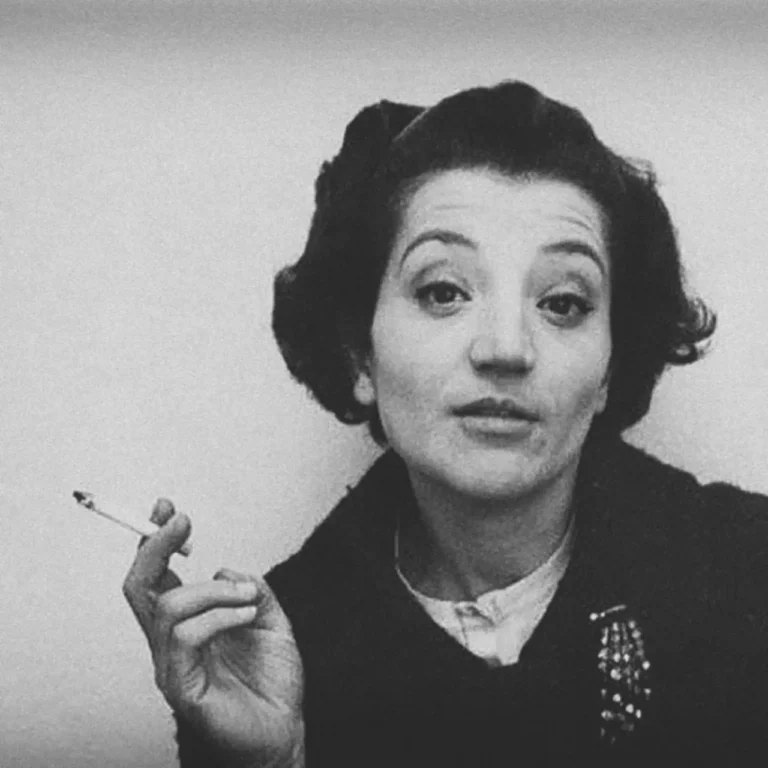
Cecilia Mangini's films retain that raw, tangible quality that transforms a documentary into a true record of its time. But she doesn't limit herself to the tangible; she allows herself to play with the materials, to lose herself in the pieces, even to be a little mischievous. These are films that portray the very condition of living, but it is a living with conviction, a political living. That will never cease to resonate, perhaps that is why they feel so relevant in our present, even more so than they did back then.
Javiera Leal, FIDOCS 29 programmer
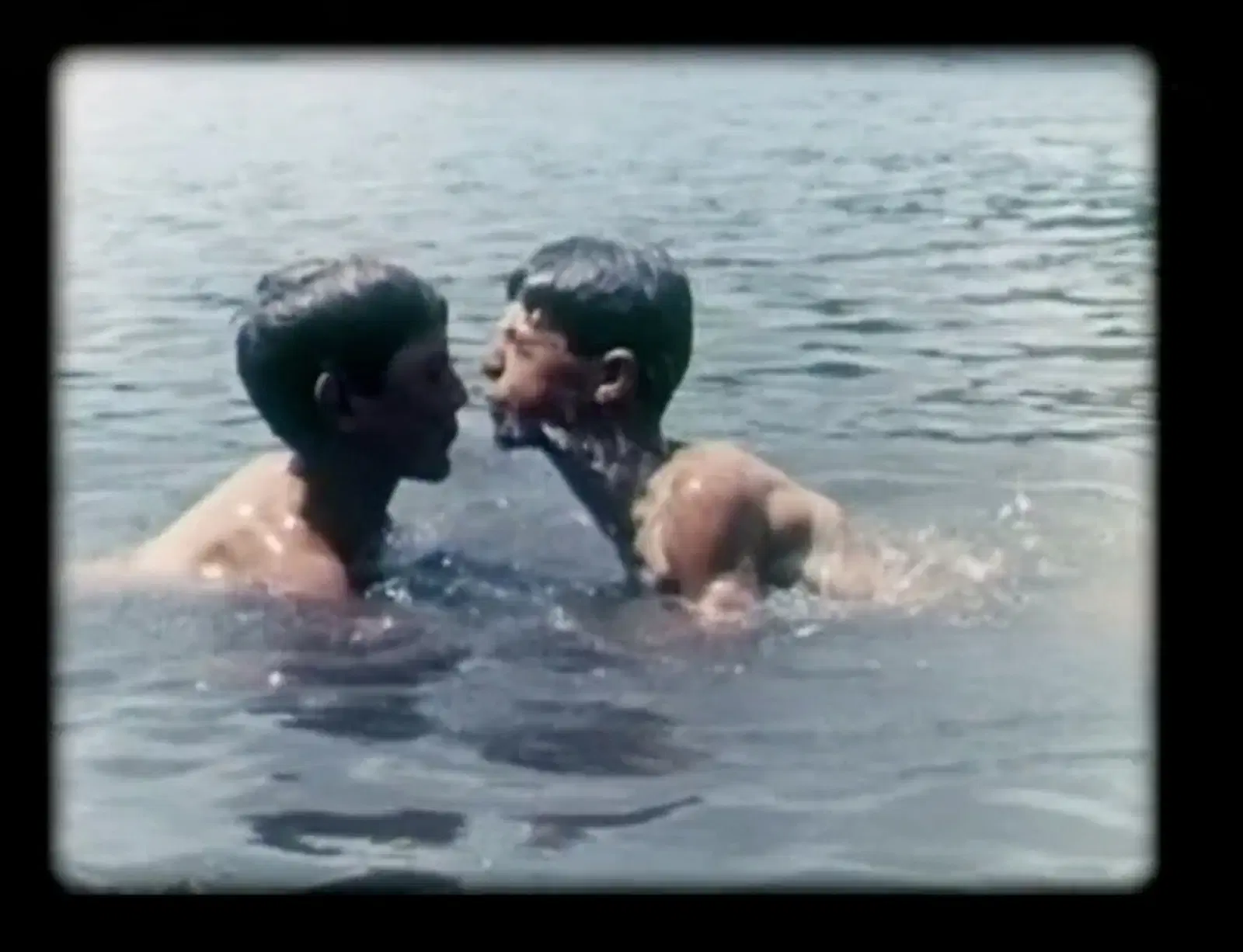
La canta delle marane
A group of suburban children play, laugh, fight, and escape the summer heat by bathing in a marana: a stream or ditch of stagnant, usually dirty water that runs along the outskirts of Rome. The camera follows them closely, capturing their gestures and glances, creating a visual choreography that, accompanied by Pier Paolo Pasolini's poetic narrative, gives voice to their longings and dreams.
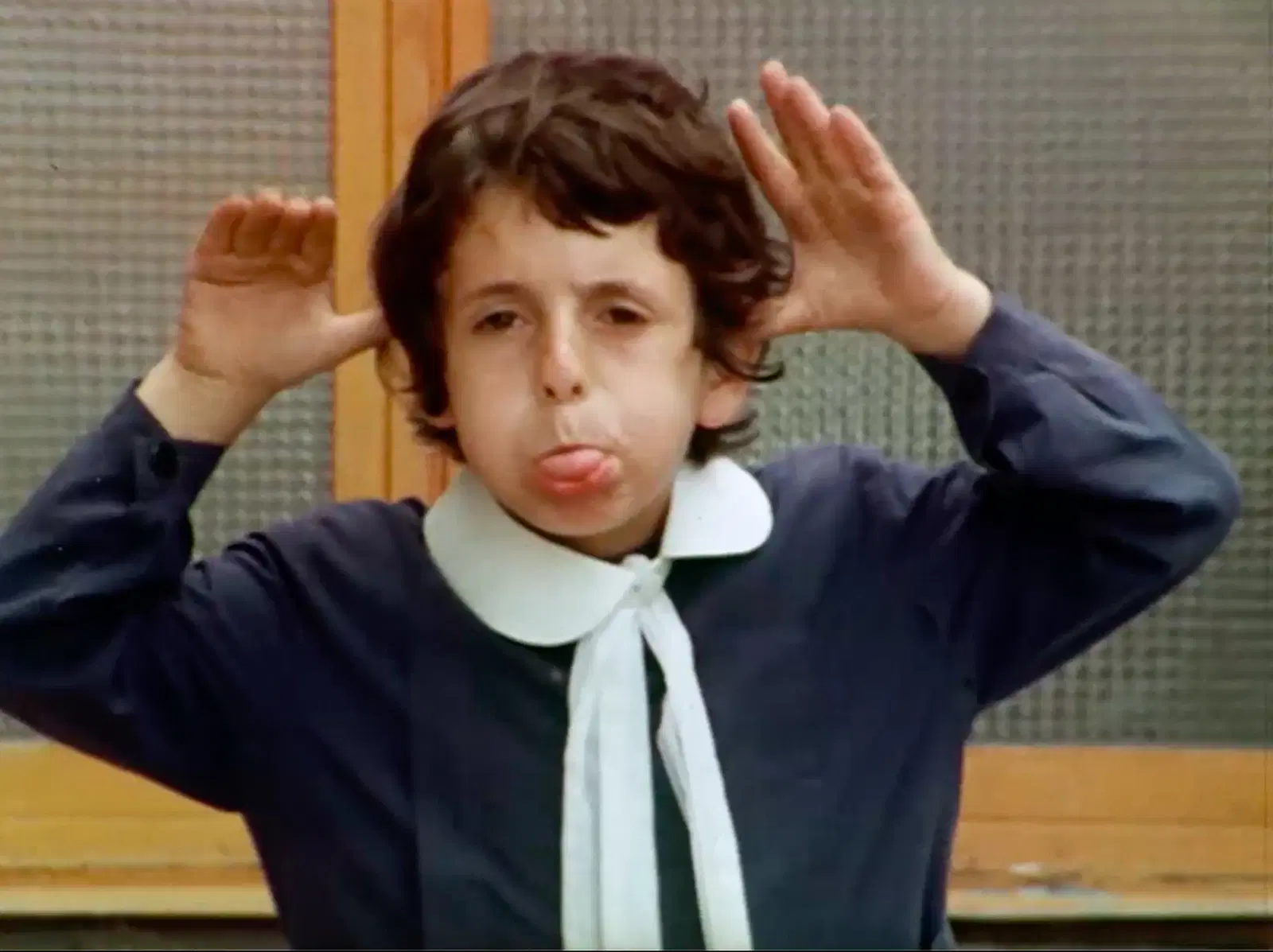
The bridle on the neck
In the Roman neighborhood of San Basilio, seven-year-old Fabio Spada is labeled a maladjusted child by the school and sent to a special class. How does his family react? What do the neighbors say? What do the teachers, the principal, and the school psychologist think? It's suspected that what's really at stake isn't the child's rehabilitation, but rather social approval.
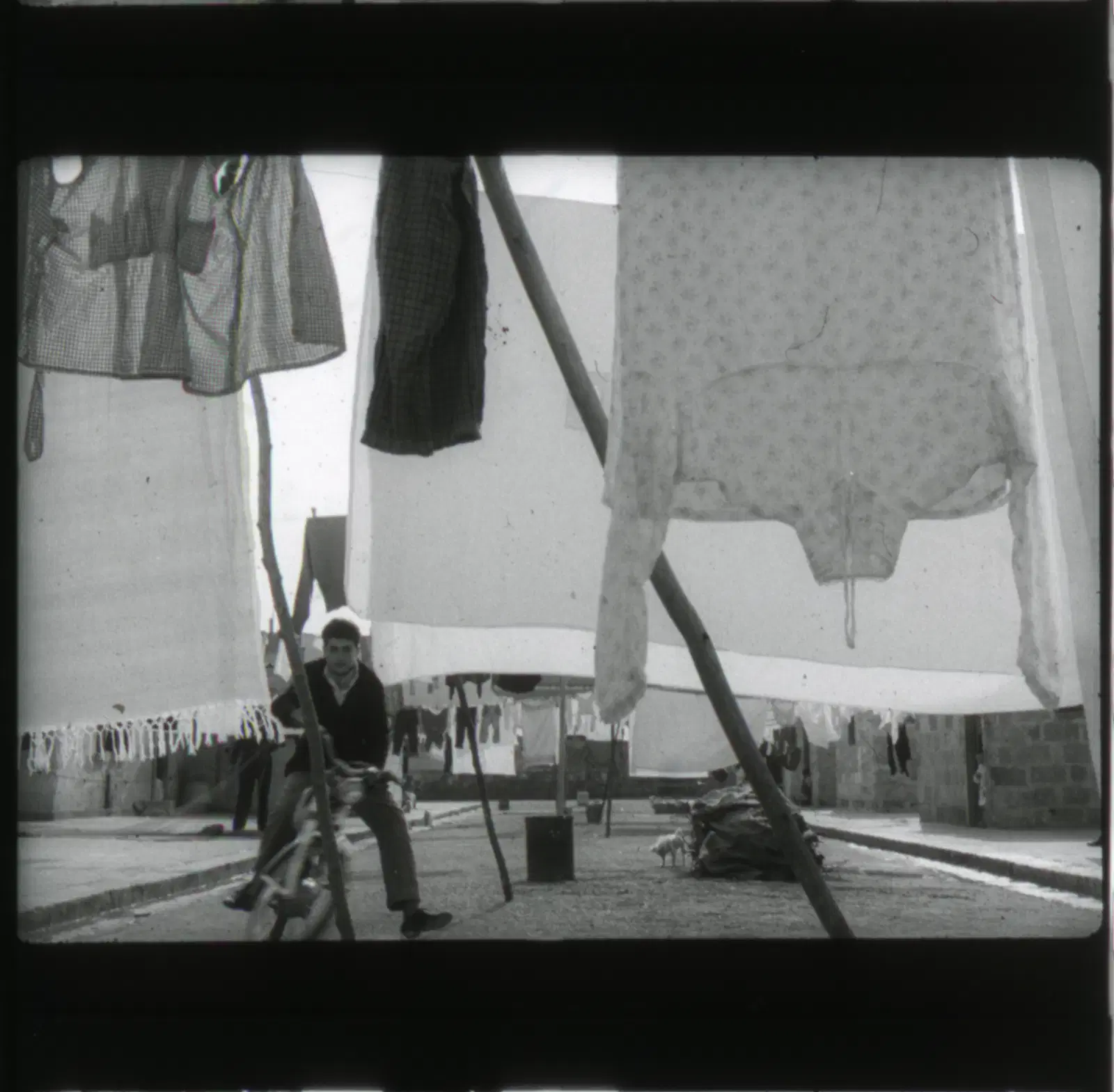
Tommaso
A boy and a motorcycle. A boy who wants to race. Tommaso also wants to race, to be a better person, to escape the poverty in which he lives. The young people of Brindisi are a bit like him: they see the factory as a great opportunity. With his motorcycle, Tommaso expresses his frustrated desires, the hopes of a boy awestruck by the grandeur of the industrial complexes. Yes, Tommaso will go to the factory; he will become a worker.
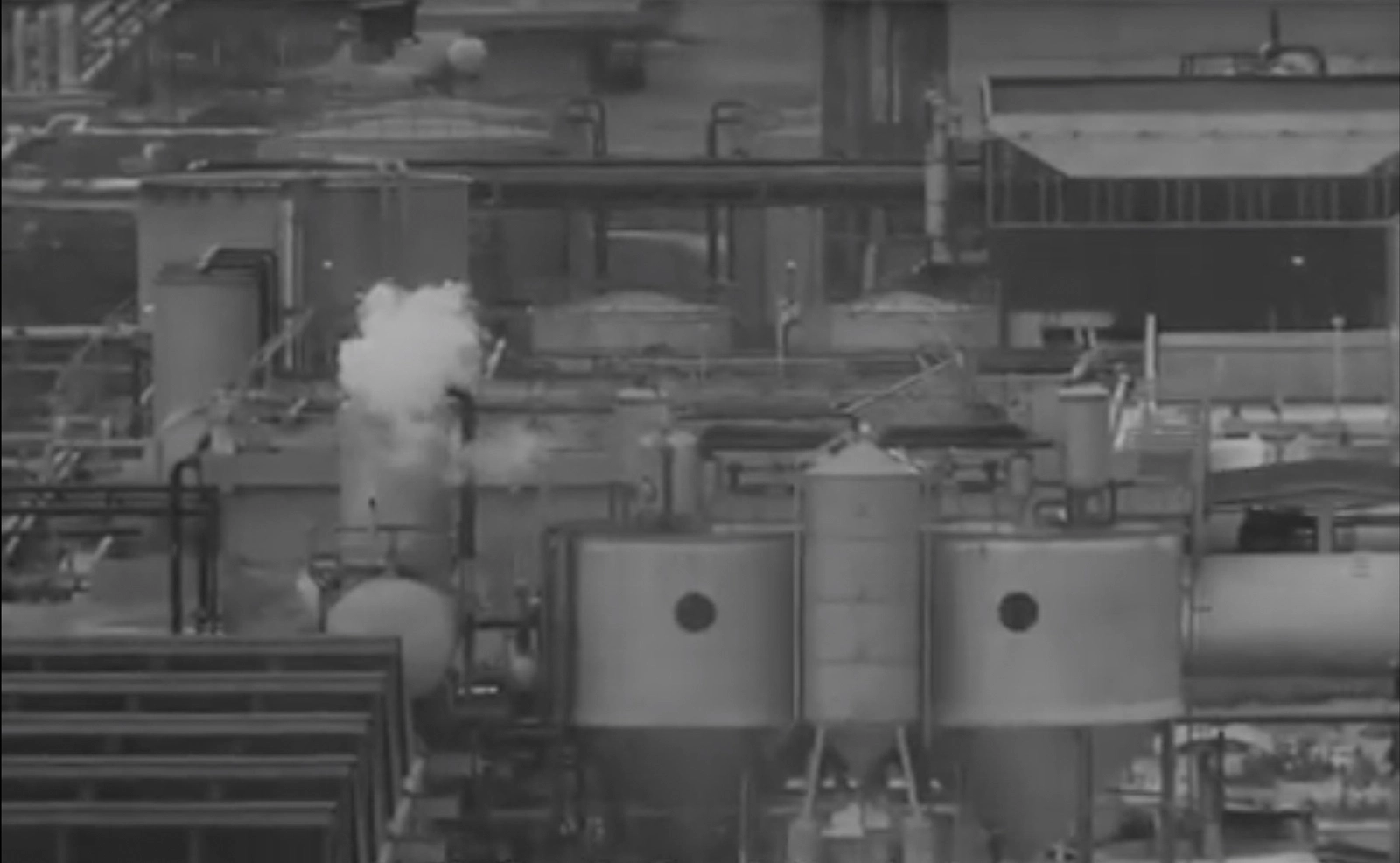
Brindisi '65
In the rural town of Brindisi, Italy's largest petrochemical plant has opened. A voice recites newspaper headlines celebrating its arrival, while images reveal the harsh reality: low wages, poor working conditions, and young children—from overcrowded areas—doing domestic chores. Meanwhile, the company's owners exchange jokes about the local population in restaurants, dance halls, and theaters, demonstrating a profound economic and cultural disconnect.
Cecilia Mangini (1927, Mola di Bari – 2021, Rome, Italy) was a photographer and filmmaker. She was the first female documentary filmmaker in postwar Italian cinema. Her work is characterized by a deeply committed social and political perspective: she documented marginalization, labor, and industrialization. She grew up in Florence and lived in Rome from the early 1950s. There, she worked as an organizer for the Italian Federation of Film Clubs and met director Lino Del Fra, who became her life and work partner; together they made internationally acclaimed documentaries. She collaborated with Pier Paolo Pasolini, who wrote the texts accompanying the images of three of her early short films: 'Ignoti alla città' (1958), 'Stendalì (Suonano ancora)' (1960), and 'La canta delle marane' (1961). Because of her political views and personality, she faced censorship and the limitations placed on women in a male-dominated world.