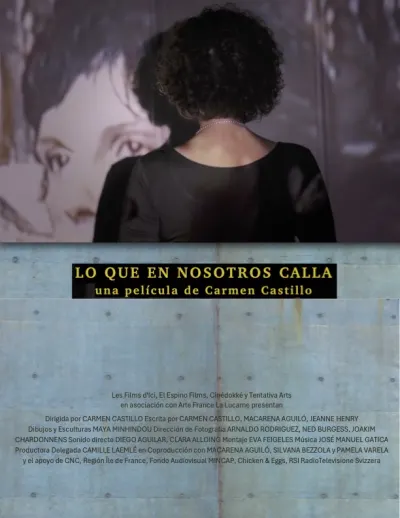
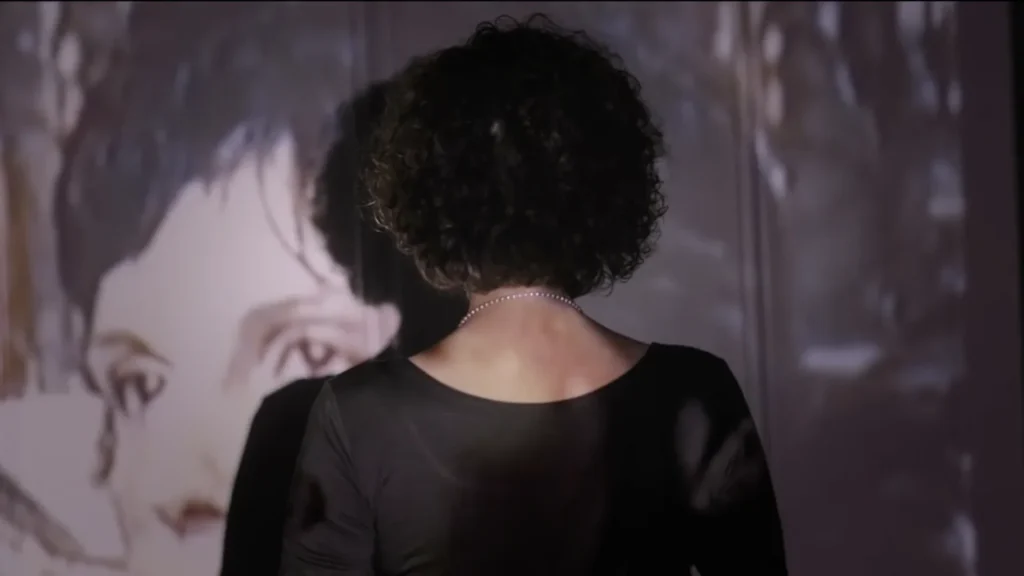
Fifty years ago, in the Chilean tragedy of dictatorship and exile, a child died. Today, his mother, Carmen Castillo, confronts her long-buried loss. The mask cracks, and the fissures beneath it appear. Alongside her children, activist mothers, and an artist friend, this ensemble film performs a ritual that attempts to reunite the child with the living and with the history of his country.
Sometimes, the only way to confront our deepest wounds is through artistic expression, a language capable of translating what we feel from a different perspective. Here, cinema emerges as a bridge, allowing us to reach places where words cannot. Carmen Castillo delves into the traces of the dictatorship from the intimate territory of her own family relationships, a space riddled with cracks, silences, and ruptures, where the political and the personal reveal themselves to be two sides of the same coin. With the courage and lucidity that characterize her work, the director revisits what remains unresolved, giving voice to experiences and conflicts that still resonate in our country. A film that transforms family memory into a space for questioning and encountering that which we have yet to name.
Josefa Infante, FIDOCS 30 programmer