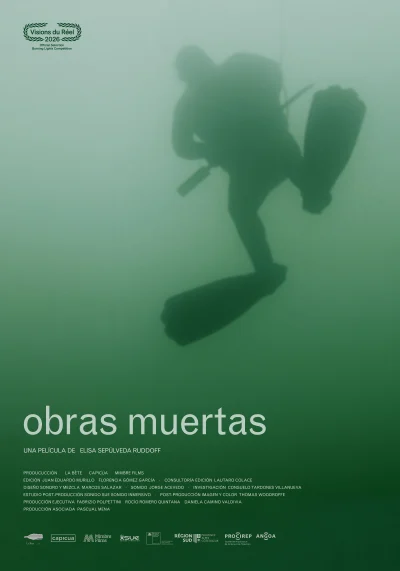
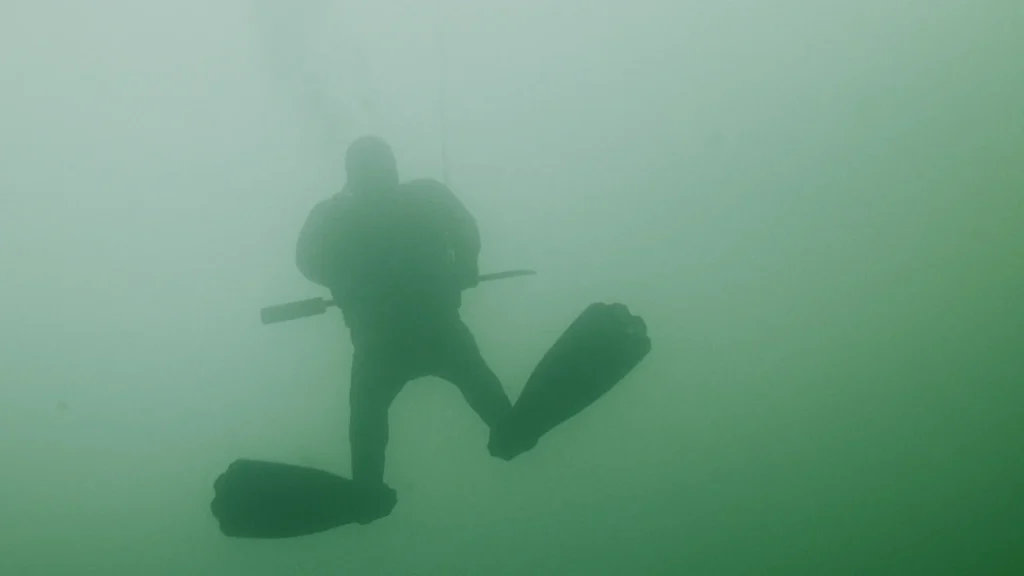
In Cifuncho Bay, in the northern Chilean desert, a group of fishermen lives in radical isolation, without basic infrastructure and entirely dependent on the sea, their source of both sustenance and danger. This apparent haven of freedom is a fragile territory, marked by solitude, hard work, and a precarious balance with nature. Every year, the Chilean Navy invades and uses the bay as a military training ground. Through immersive observation, "Dead Works" explores life on the margins, where the desire for freedom clashes with institutional power.
In Cifuncho Bay, in the Atacama Desert, lives a fishing community whose choice means living in isolation. Their main conflict is the way the State makes its presence felt: through legal obstacles to inhabiting a land that, without them, would be empty, and through the annual naval training exercises and drills in the bay, complete with bombs, gunfire, and ships. Elisa Sepúlveda's debut film offers a collective look at the members of this community. Without making the hostility of the state presence obvious or condemnatory, Sepúlveda opens up reflections on sovereignty and the use of territory through a patient exercise in coexistence. It is a work that challenges ways of life and questions the possibilities of truly living on the margins.
Mao Osorio, FIDOCS 30 Programming Assistant