A pioneer of Chilean documentary filmmaking, Sergio Bravo transitioned from architecture to cinema with a keen eye for form, materials, and everyday life. During his early years as founder of the Experimental Film Center, he developed his own unique language through encounters with people and their trades, uniting visual exploration with popular culture and paving the way for new generations of filmmakers.
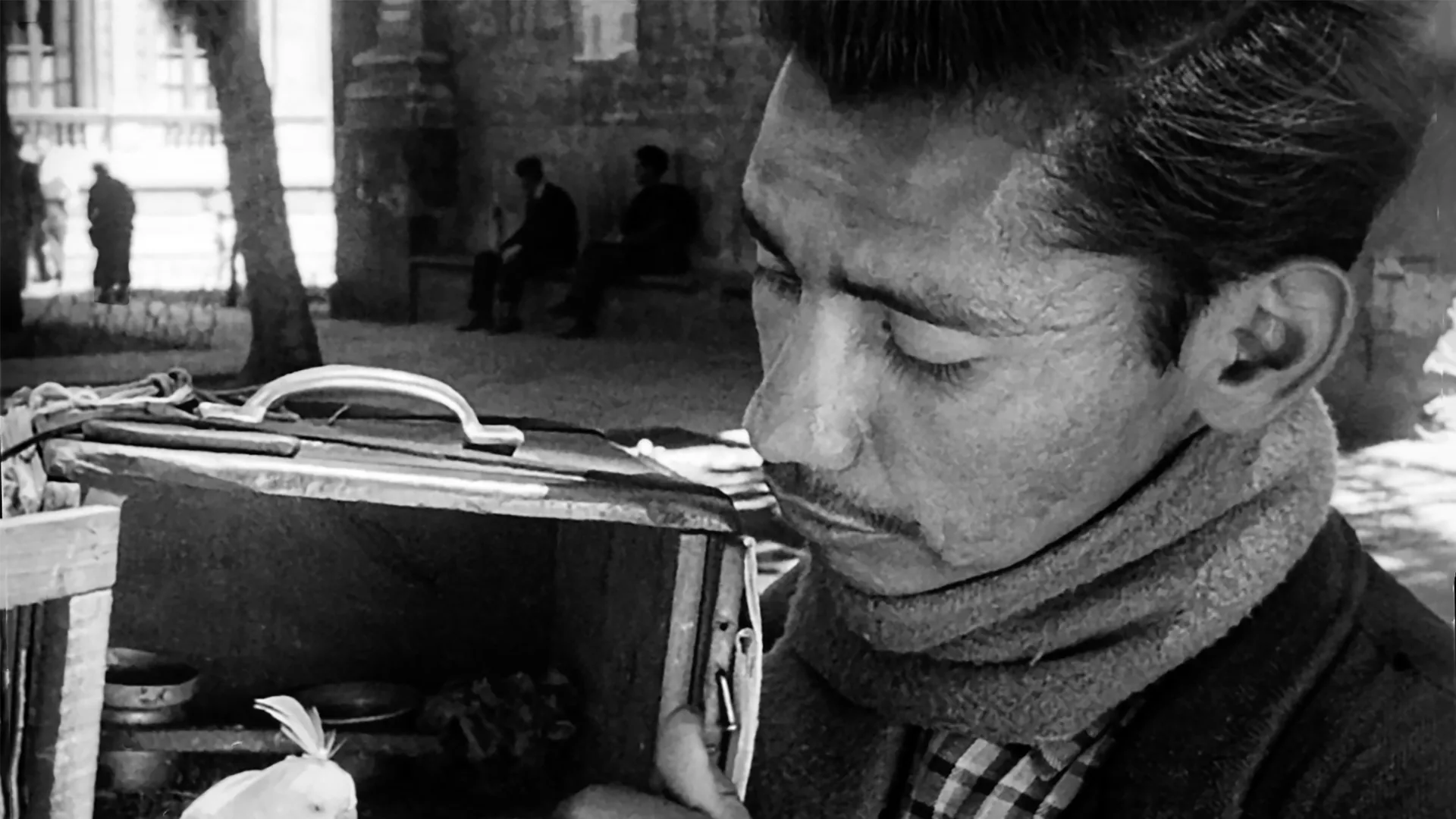
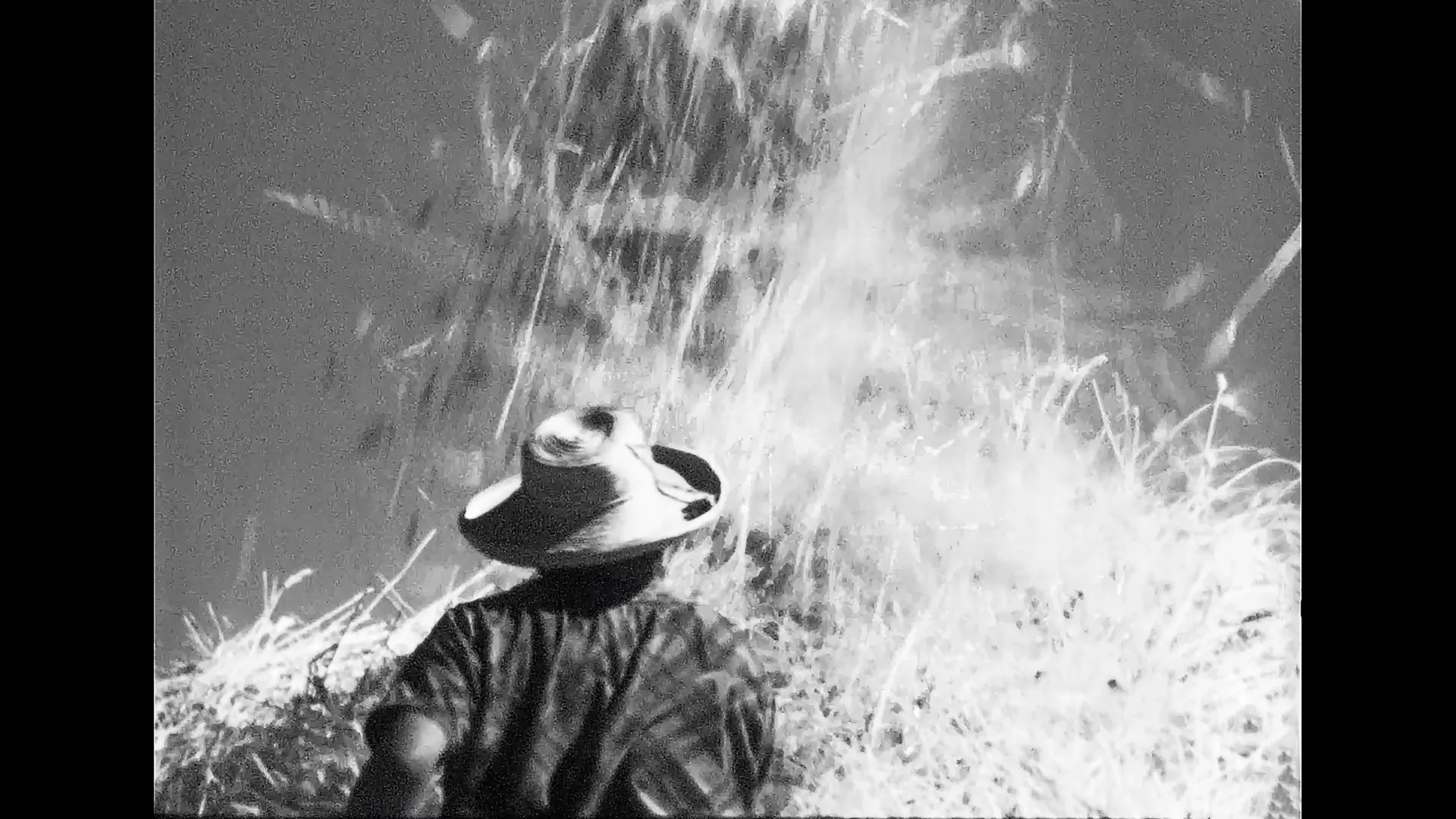
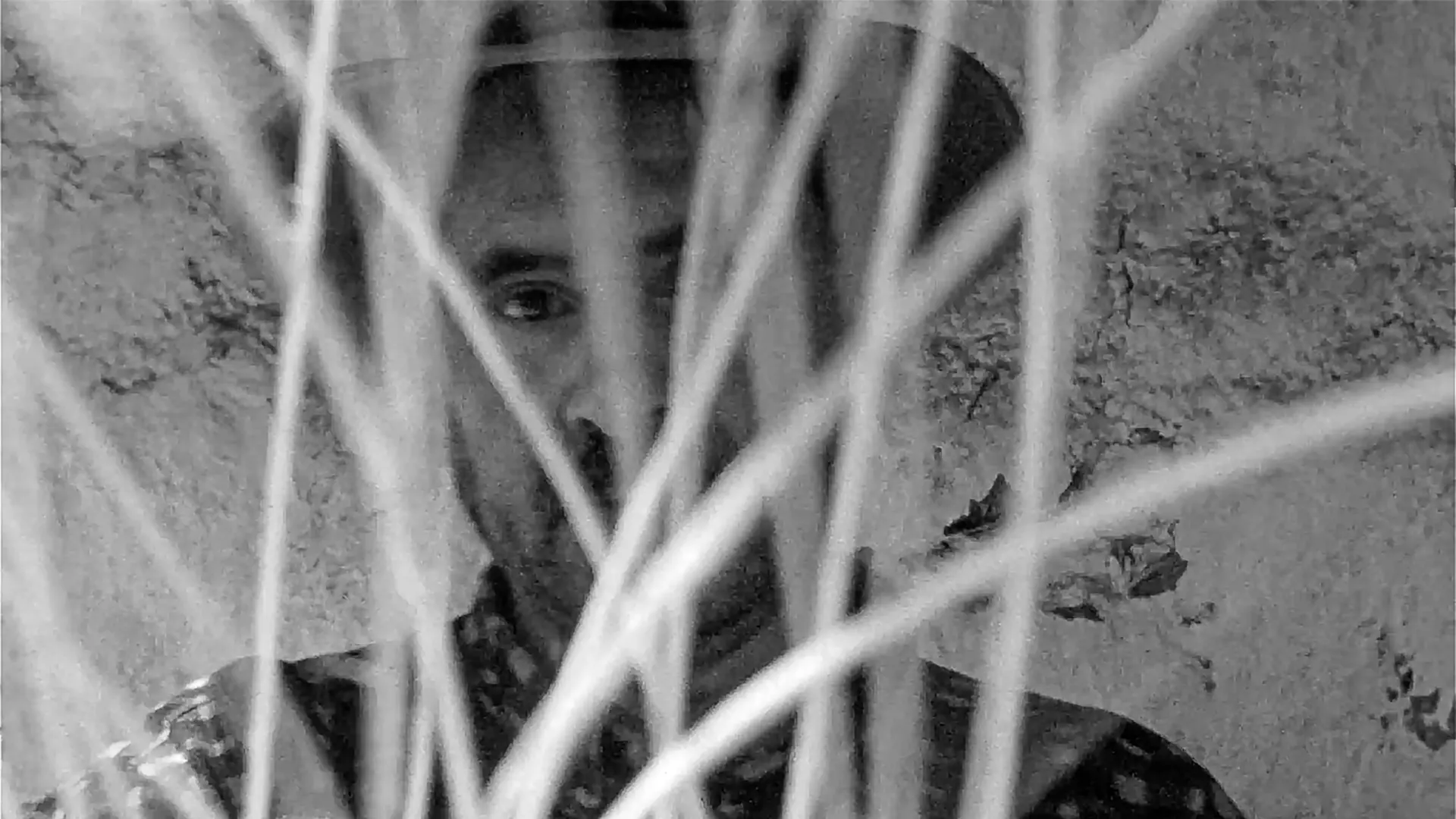
His early works express this quest. In 'Mimbre' (1957), the camera discovers 'Manzanito,' an artisan who transforms traditional basketry into a universe of animal forms, where matter becomes fantasy. The camera explores its weaves, curves, and volumes to the sound of Violeta Parra's guitar, who also composed the music for 'Trilla' (1959), filmed in the community of Calquinhue, in the hills of Hualqui, where reaping and threshing reveal the gestures and rhythms of collective work in the fields. 'Día de organillos' (1958) gradually constructs the city through streets, facades, and sounds, through the street organ player's trade and the music of Gustavo Becerra.
This program brings together the collaborative work of the Chilean National Film Archive, the University of Chile Film Archive, and the Sergio Bravo Experimental Film Center Foundation, using materials preserved by these three institutions. The process benefited from the collaboration of the Chilean National Library in the digitization of the sound, and from the sound restoration by Nicolás Jaar, Patrick Higgins, and Other People. On the eve of the centenary of his birth in 2027, we revisit three fundamental works of Chilean documentary filmmaking and a vision that discovered, in the hands that work and in the streets we inhabit, new possibilities for cinema.
Martín Castillo Fort, artistic director FIDOCS 30
Organ Grinder Day
This experimental documentary was conceived as a preliminary draft for a feature film centered on the figure of the organ grinder, a traditional character in the streets of Santiago in the mid-20th century. Through an urban symphony, the film recreates the rhythms of daily life in the city, from dawn till night.
Digital Restoration 2026, a project coordinated jointly by the National Film Archive of Chile, the Film Archive of the University of Chile, and the Sergio Bravo Experimental Film Center Foundation, uses materials preserved by these three institutions. The process included the collaboration of the National Library of Chile in the digitization of the sound, and Nicolás Jaar, Patrick Higgins, and Other People in its sound restoration.
Threshing
A glimpse into the gestures involved in reaping, threshing, and winnowing. Filmed during a summer community work day in the wheat fields of the Calquinhue community, near the town of Hualqui, Concepción province, Chile.
Digital Restoration 2026, a project coordinated jointly by the National Film Archive of Chile, the Film Archive of the University of Chile, and the Sergio Bravo Experimental Film Center Foundation, uses materials preserved by these three institutions. The process included the collaboration of the National Library of Chile in the digitization of the sound, and Nicolás Jaar, Patrick Higgins, and Other People in its sound restoration.
Wicker
A succession of visual impressions recorded during a visit to the home and workshop of Alfredo Manzano, “Manzanito,” a virtuoso wicker craftsman, located in the Quinta Normal neighborhood of Santiago. Violeta Parra's incidental music was conceived and created during a silent screening of the film, using no score other than the interplay of light, shapes, and figures presented by the film.
Digital Restoration 2026, a project coordinated jointly by the National Film Archive of Chile, the Film Archive of the University of Chile, and the Sergio Bravo Experimental Film Center Foundation, uses materials preserved by these three institutions. The process included the collaboration of the National Library of Chile in the digitization of the sound, and Nicolás Jaar, Patrick Higgins, and Other People in its sound restoration.
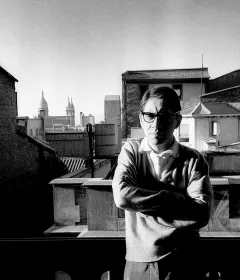
Sergio Bravo (1927–2023, Chile). Architect, photographer, and filmmaker, a pioneer of the New Chilean Cinema. Founder and director of the Experimental Film Center. His film work synthesizes the knowledge, gestures, and trades of the popular sectors with the experimental avant-garde. Among his works are the documentaries 'Mimbre' (1957), 'Día de organillos' (1958), and the docu-fiction 'No eran nadie' (1982).