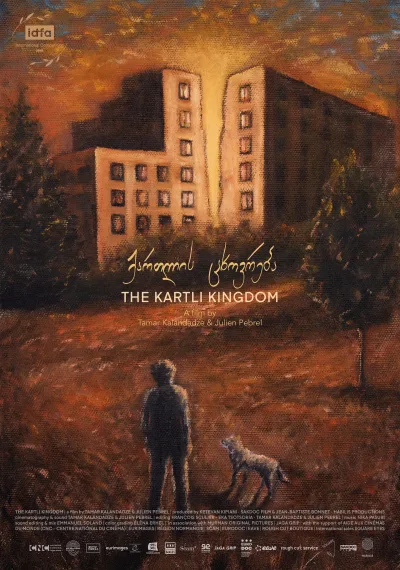
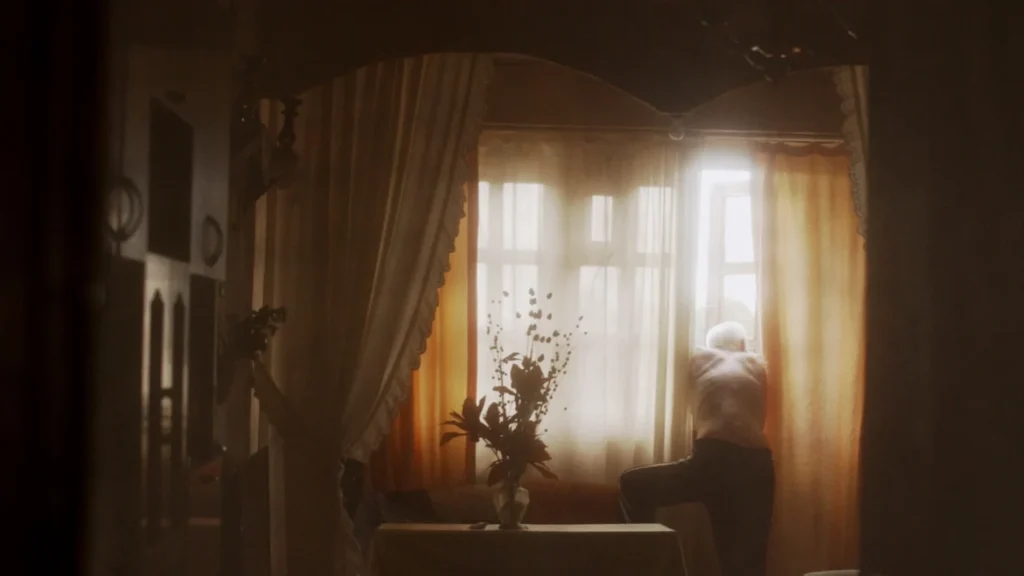
Kartli refers both to the medieval kingdom of Georgia and to a Tbilisi sanatorium that housed refugees from the war in Abkhazia in the 1990s. Intended as a temporary refuge, it has now been their home for 30 years. This dilapidated building has been transformed into a recreated “country,” complete with a farm, gardens, terraces, and rooms where old VHS tapes rekindle memories of a lost paradise. Through Tamuna, Irma, and other residents, the film explores exile, trauma, and shared resilience, showing that nothing remains the same within Kartli.
A home is not just a house or a place to take refuge; it is also an ecosystem in itself, the ability to put down roots and create a sense of security, to access a dignified life through that basic and essential aspect of housing. 'The Kartli Kingdom' reflects on the concept of home through the methodical observation of people who have been living "temporarily" in a former sanatorium for thirty years, after being exiled from Abkhazia during the Georgian civil wars of the 1990s. The state's promise of providing them with their own homes begins to weigh heavily on them as they try to create a community that is always struggling and waiting for a home. Despite its particular context and focus on personal stories, the film resonates with the housing crisis currently being experienced in various regions.
Javiera Leal, programmer of FIDOCS 30