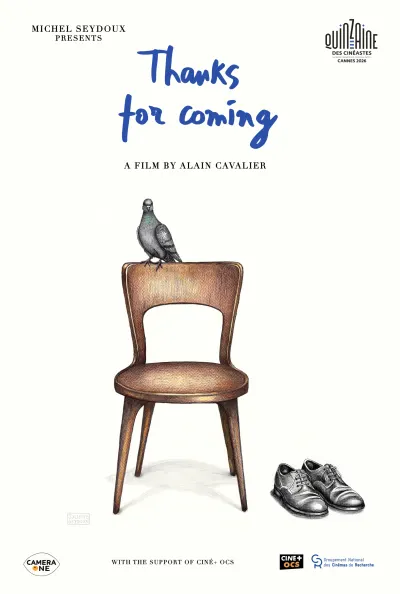
This is the story of a filmmaker, Alain Cavalier. Always with his camera in hand, he continues to film life with passion, still learning about himself and, especially, about others. However, as he grows older, he sees his quickness, his vitality, his audacity, and his carefree spirit begin to fade. With a slight lump in his throat, but still laughing, he keeps a video diary of his farewell to cinema. This will be his last film.
Before turning his life into a film diary, Alain Cavalier worked as an assistant to Louis Malle and directed films starring Romy Schneider, Alain Delon, and Catherine Deneuve. Over the years, he reduced his equipment and brought the narrative closer to his own experience. Digital cameras gave him the freedom to film alone and develop an intimate style of cinema, where gestures, objects, and everyday encounters became cinematic material.
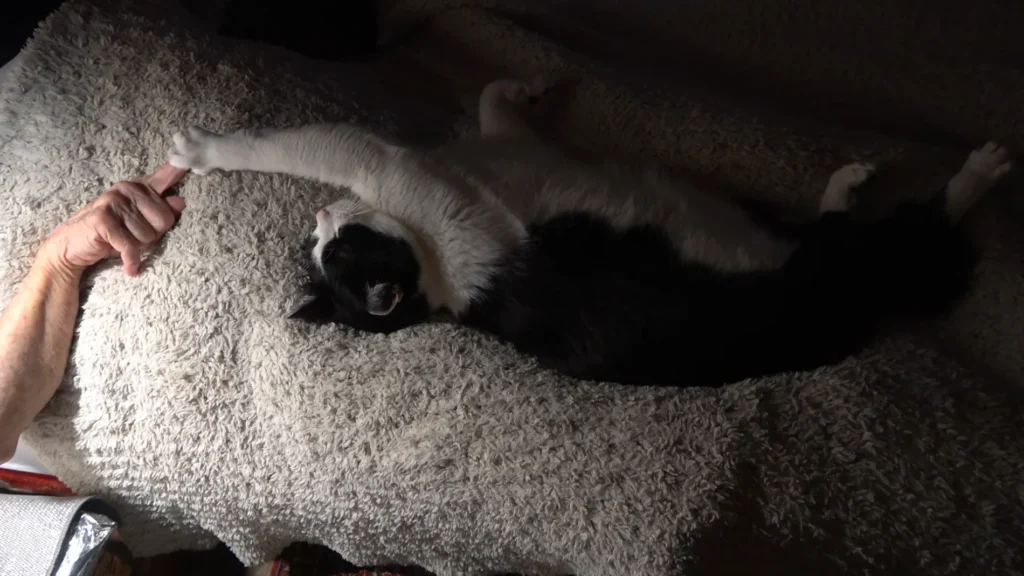
At 95, in 'Merci d'être venu', his twenty-fourth feature film, he brings together images and conversations recorded over the last fifteen years. A dying dove, a piece of paper stained with blood, a cloud shaped like a boar: affections, losses, and the fragility of the body coexist with humor and curiosity. In this cinematic testament, Cavalier reflects once again on his craft as a filmmaker and his place in the world, offering a lucid farewell and a tribute to earthly life.
Present at FIDOCS since its inception, Cavalier returns to close our thirtieth edition with a film about the passage of time and cinema's ability to preserve its traces. "Thank you for coming": a phrase addressed to its audience that, at the end of the Festival, we too will adopt as our own.
Martín Castillo Fort, artistic director FIDOCS 30