In a conversation with Jean-Luc Godard published in 1992, the legendary yet still relatively unknown Armenian director Artavazd Pelechian stated that cinema is a language predating Babel, existing before the division of languages, with the power to communicate beyond words. This almost utopian idea of a cinema without borders is reflected in his films and in his pursuit of a pure, direct, and universal expression, where editing is responsible for constructing an "emotional magnetic field.".
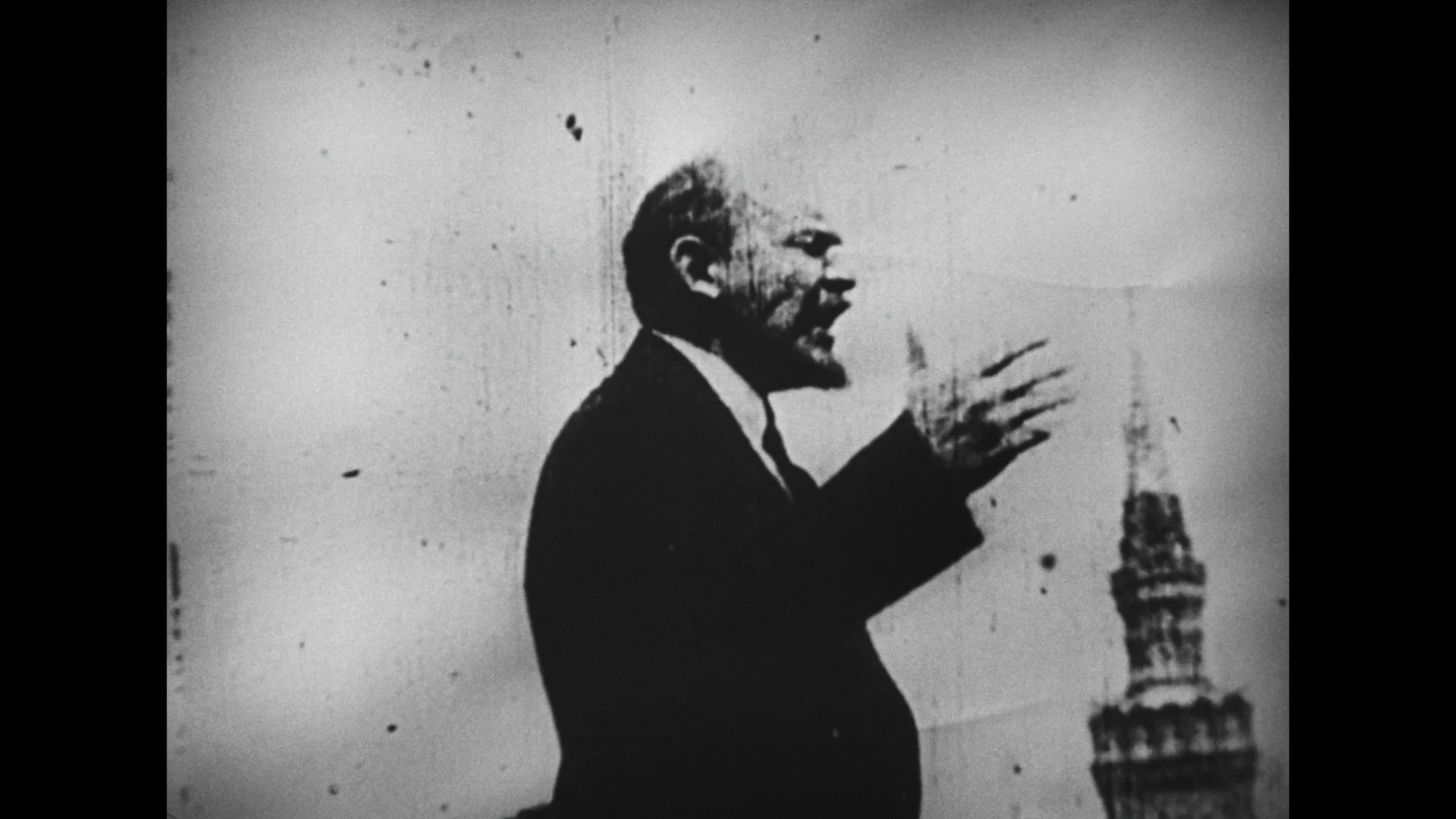
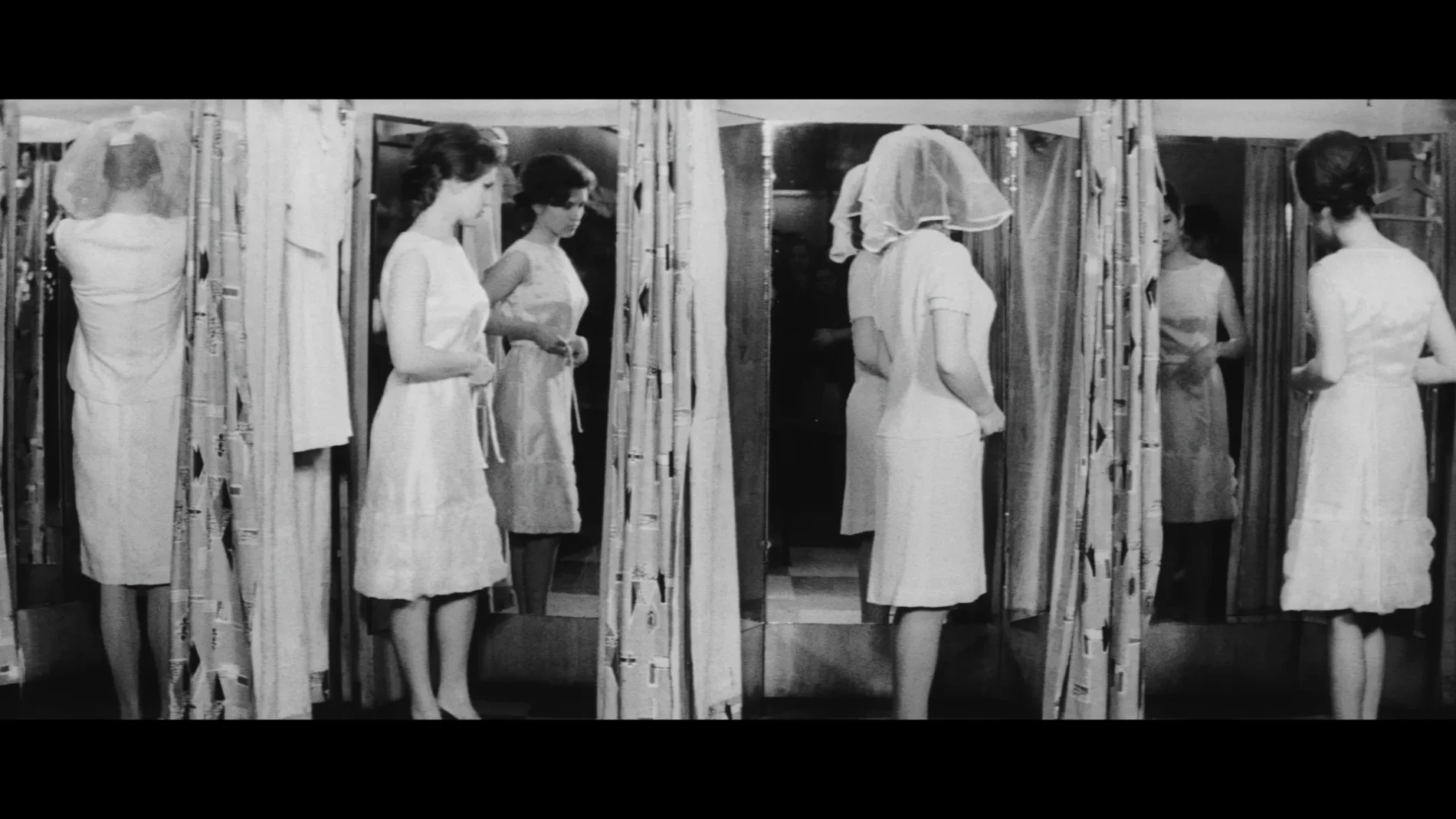
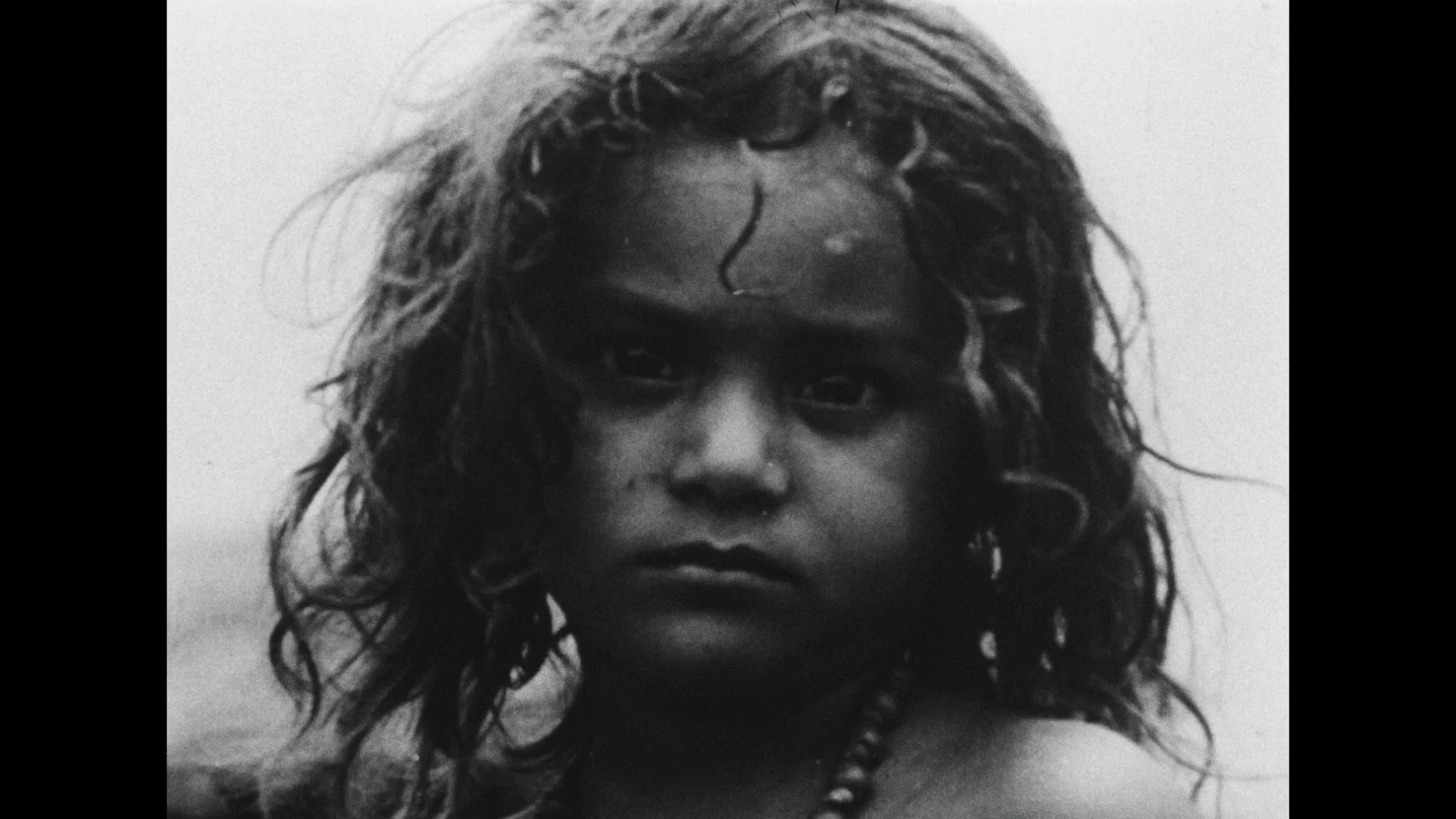
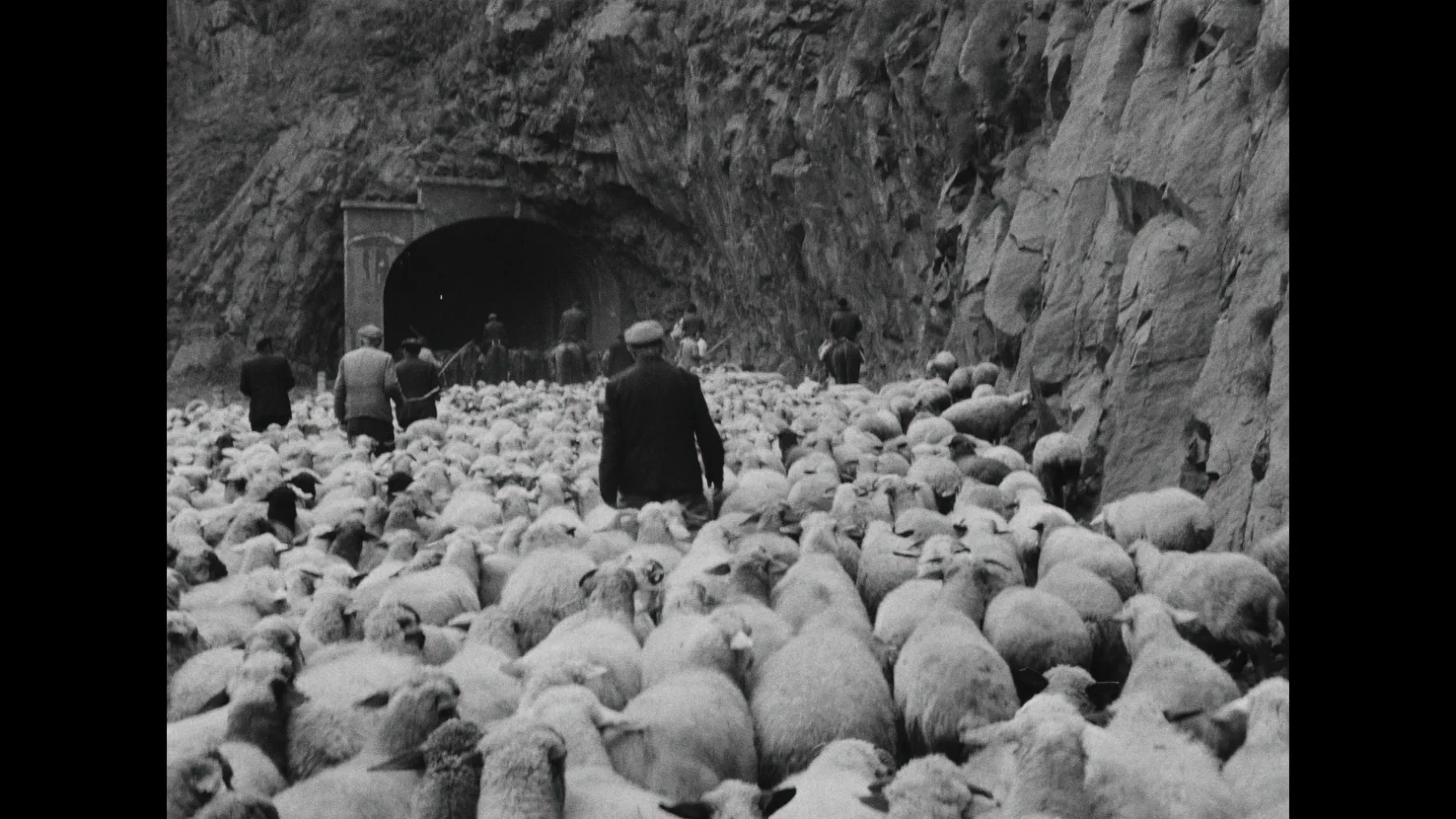
In 'The Beginning', the editing is like a machine gun: bursts of images and sound repetitions intertwine with the momentum of the October Revolution. In 'Land of the People', the sequences transform the activity of a city into an urban symphony. In 'We', the cadence of images composes a cinematic poem about the Armenian people, their faces, and their scars. In 'The Seasons', the cinematic rhythm makes the peasants dance with the forces of nature. And in 'The End', during a train journey between Moscow and Yerevan, the editing intertwines the faces of the passengers, the landscapes, and the changing light, in an experience suspended in time.
These five films comprise the Pelechian Project, a restoration work undertaken by the Bologna Film Archive under the director's supervision. They employ "remote montage," a concept Pelechian coined to describe how images separated in time converse through echoes and repetitions, constructing the meaning and emotion of the whole. It is as if distance, instead of separating them, amplifies their resonance, allowing us to forget learned formulas and return to an essential language.
Martín Castillo Fort, artistic director FIDOCS 30
The Beginning
Начало (Nachalo)
Made to mark the 50th anniversary of the October Revolution (1917), the film juxtaposes footage of the Russian Revolution with sequences evoking the social conflicts of the 1960s around the world. 'The Beginning' explores the revolutionary awakening of the people, using archival footage to evoke the birth of a collective political consciousness. Rather than recounting historical events linearly, the film weaves together fragments of demonstrations, crowds, leaders, and symbolic moments into a powerful visual composition.
Land of the People
Zemlya lyudey
Instead of focusing on individual characters, 'Land of the People' presents a shared human presence: a community shaped by history, effort, and a sense of belonging. Through scenes of work, celebration, and everyday routines, the film evokes a feeling of unity between the people and their land. The land itself becomes a living force, inseparable from those who inhabit it.
We
Մենք | Мы (Menk / My)
Made after his return to Armenia in 1969, 'We' is a portrait of the Armenian resistance that transforms the "we" from the local to the universal. It draws on archival footage from state collections and the Yerevan Documentary Film Studio, reworked in a rigorously structured montage. Pelechian constructs the film through rhythm and visual correspondences. Repetition, central to his theory of "montage at a distance," intensifies meaning: by separating related images and reintroducing them throughout the film, he amplifies their expressive and conceptual impact.
The Seasons
Տարվա եղանակները | Времена года (Tarva yeghanaknery / Vremena goda)
With its epic scope, 'The Seasons' follows a community of Armenian farmers in their daily lives, adjusting to the rhythm of the mountains and the passing of the year. Shepherds, villagers, animals, wind, and water move in a shared cadence, revealing a humble and intimate connection with the natural world that sustains them.
The End
Վերջը (Verj)
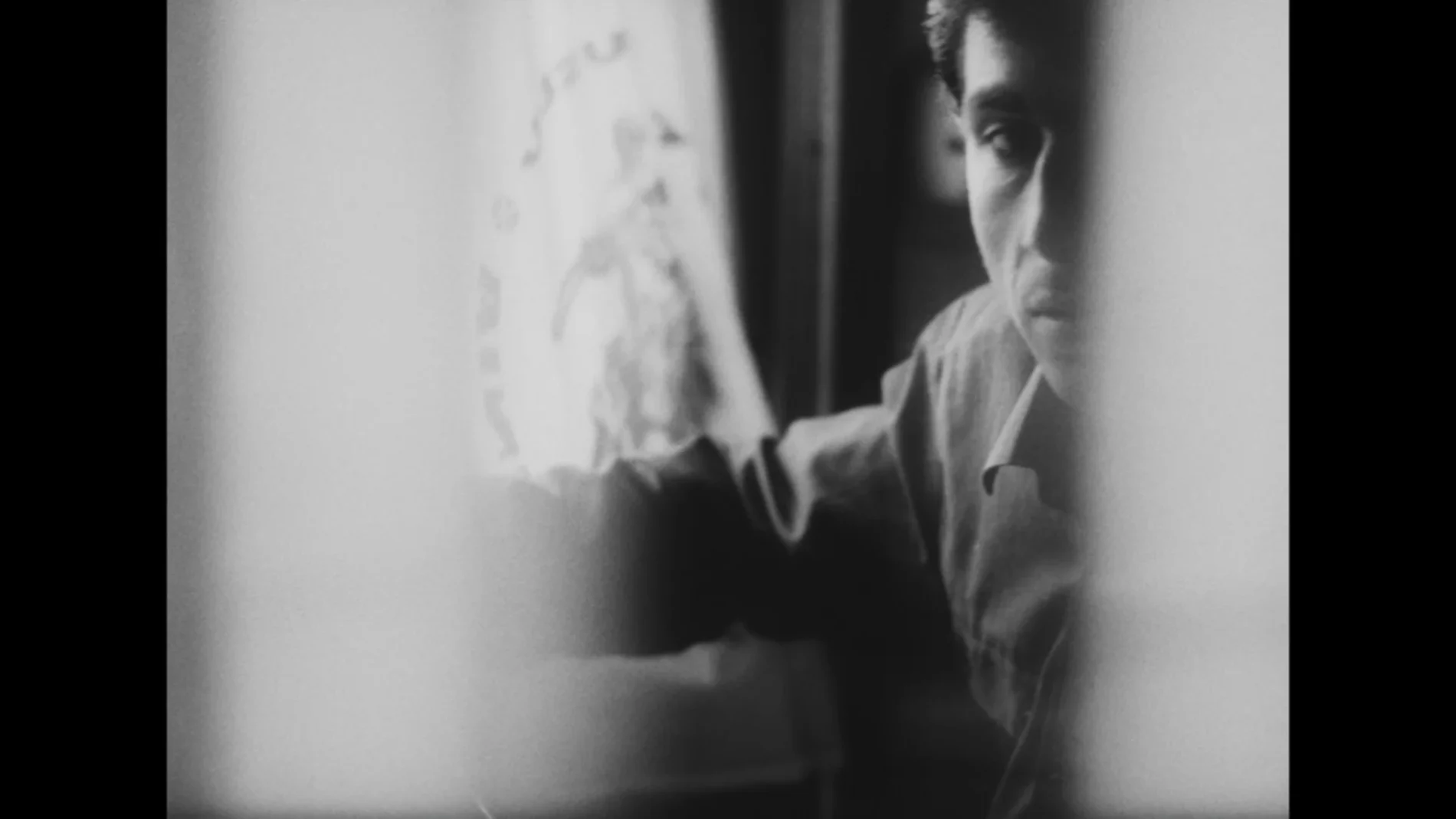
There is no clearly defined destination. There is an end, undoubtedly, but as long as it remains vague, we are all aboard this train: children, the elderly, young people, and even Pelechian himself, who appears only fleetingly in the movement of the convoy. Together we move toward an indeterminate place, carrying our thoughts, our regrets, our weariness, and our suitcases. We are heading toward an end that, paradoxically, holds the promise of a new beginning and a new life that awaits us.
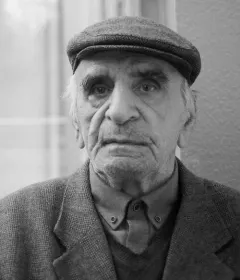
Artavazd Pelechian (1938, Armenia) is one of Armenia's most important filmmakers. Considered the father of remote editing, he works at the boundary between documentary and fiction, imbuing the everyday with new depth and uncovering poetry in reality. His works explore collective memory, nature, and humanity beyond traditional narrative cinema, and have been presented at prestigious festivals and cultural institutions.
The restoration project for his films was spearheaded by the sales agency Coproduction Office in collaboration with the Cineteca di Bologna, under the supervision of Pelechian.